
A new appliance can expose a problem that has been building for years: there simply is not enough electrical capacity where you need it. If you are researching how to add a dedicated circuit, the safest answer starts with understanding the load, your electrical panel, and the requirements for a code-conscious installation. A dedicated circuit is not just another outlet. It is a protected electrical path designed to serve one specific appliance or piece of equipment.
For homeowners, the benefit is practical. The right circuit helps prevent nuisance breaker trips, overheated wiring, damaged equipment, and unnecessary strain on an older electrical system. Because the work takes place inside a live electrical panel and may require permitting, this is usually a project for a licensed electrician rather than a weekend DIY repair.
What Is a Dedicated Circuit?
A dedicated circuit runs from your main electrical panel directly to one appliance or fixed piece of equipment. It has its own circuit breaker and is not shared with general-use outlets, lights, or other appliances.
Many high-demand appliances need dedicated circuits because they draw substantial power, especially during startup or extended use. Common examples include electric ranges, ovens, clothes dryers, dishwashers, garbage disposals, microwaves, refrigerators, HVAC equipment, electric water heaters, spa equipment, and EV chargers. A garage or workshop may also need a dedicated circuit for a heavy-duty tool or air compressor.
The exact circuit size depends on the appliance manufacturer’s specifications, not a guess based on the plug shape or the circuit that happens to be nearby. An EV charger, for example, may require a larger circuit and a different type of protection than a dishwasher. Installing the wrong breaker or wire size can create a serious safety hazard.
When Your Home May Need One
A breaker that trips whenever you run a particular appliance is a common warning sign, but it is not the only one. You may need a dedicated circuit when installing a new appliance, remodeling a kitchen, converting part of the garage, adding a home office, or preparing for an EV charger.
Other signs deserve an electrical evaluation before adding more equipment:
- Lights dim when the appliance starts or runs.
- An outlet or plug feels warm, looks discolored, or has a burning smell.
- Extension cords or power strips are being used as permanent solutions.
- The panel is crowded, outdated, or uses breakers that trip frequently.
- A large appliance is sharing a circuit with countertop outlets, lighting, or another major load.
A tripping breaker is doing its job by shutting off power before wiring overheats. Replacing it with a larger breaker without confirming the wire size and load is not a solution. It can allow more current through wiring that was never designed to carry it.
How to Add a Dedicated Circuit: The Professional Process
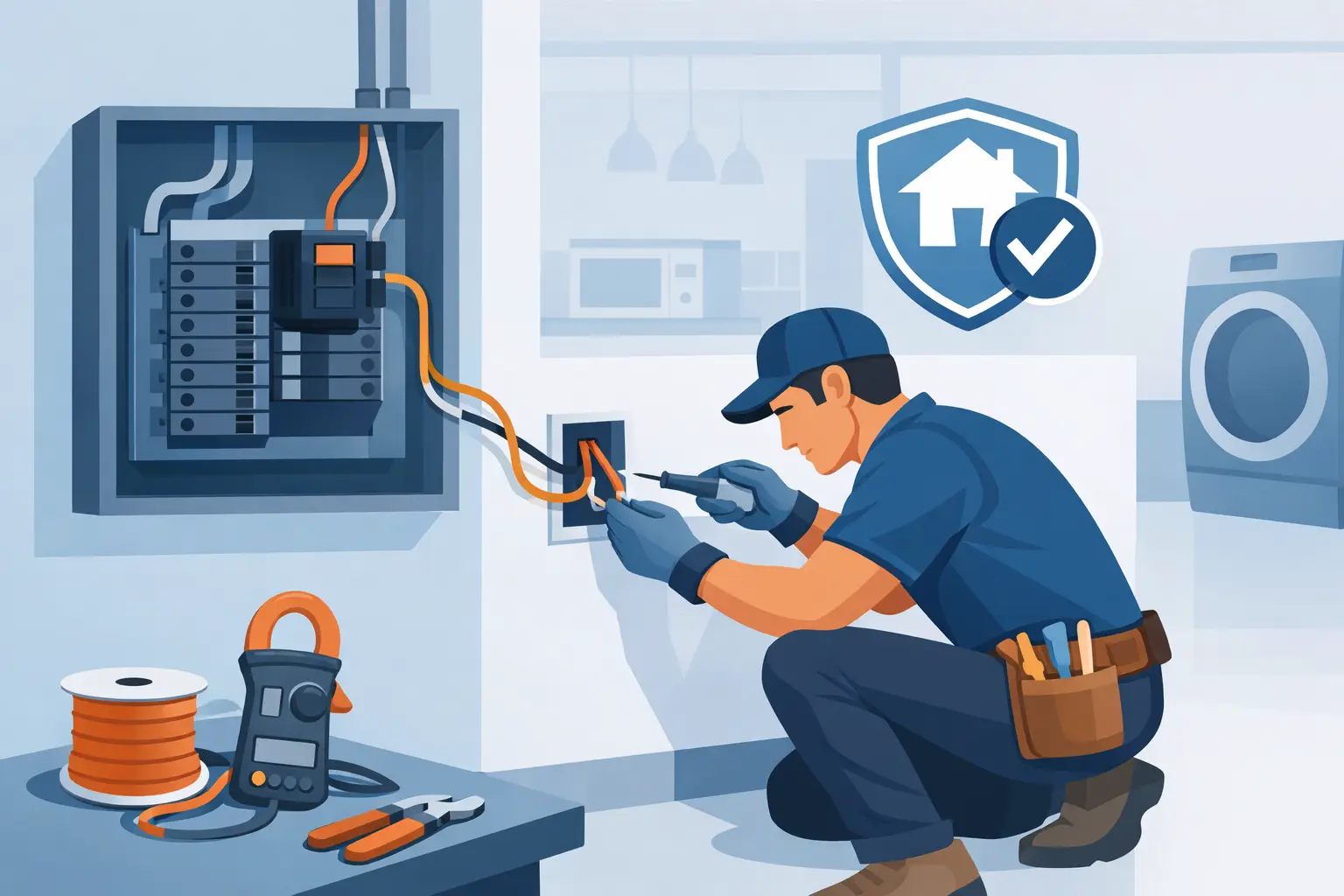
Adding a dedicated circuit begins with an assessment, not with selecting a breaker. A qualified electrician first identifies the appliance’s voltage, amperage, installation location, and manufacturer requirements. The electrician then determines the appropriate circuit rating, wire type and size, receptacle or disconnect requirements, and any needed ground-fault or arc-fault protection.
Next comes a load calculation. This step checks whether the home’s electrical service and panel can safely support the added demand. A panel may have physical space for another breaker while the overall electrical service is already near its practical capacity. That distinction matters in homes with older 100-amp service, electric heating, multiple appliances, or plans for an EV charger.
If the panel has adequate capacity, the electrician plans the wiring route from the panel to the appliance location. The route may run through attic space, crawlspace, walls, conduit, or a garage. Accessibility affects both the installation approach and cost. A circuit for a kitchen appliance behind finished cabinets is different from a circuit for garage equipment near the panel.
The installation typically includes a correctly sized breaker, properly rated conductors, grounding, secure cable protection, and the required receptacle, hardwired connection, or disconnect. The circuit is labeled clearly at the panel so future homeowners and service professionals know what it supplies. Testing verifies correct voltage, grounding, polarity where applicable, and proper operation of protective devices.
This work should also be coordinated with local permit and inspection requirements. Permits can feel like an extra step, but they provide an independent check that the installation meets applicable safety standards. That can be especially valuable for panel work, remodels, and projects that may be reviewed during a future home sale.
Does Your Electrical Panel Have Room and Capacity?
Panel space and electrical capacity are related, but they are not the same thing. An electrician can often add a circuit to a panel with open breaker spaces and sufficient service capacity. In some cases, an approved tandem breaker may be an option, depending on the panel’s design and listing.
However, a crowded or aging panel may call for a more substantial solution. A subpanel can create room for additional branch circuits when the main service has enough available capacity. A panel upgrade or service upgrade may be appropriate when the home needs more overall power, the existing equipment is obsolete, or the panel cannot safely support the planned load.
This is where planning ahead saves money and disruption. If you expect to add an EV charger, electric appliances, a hot tub, or a workshop over the next few years, mention those plans during the assessment. It may make sense to size an upgrade for the home’s future needs rather than completing several separate projects.
Why a Dedicated Circuit Is Not a DIY Panel Project
Homeowners can make informed decisions about their electrical system, but connecting a new circuit inside a service panel carries real risk. Even when the main breaker is switched off, some parts of the panel can remain energized. A mistake involving live equipment, improper terminations, damaged insulation, or incorrect overcurrent protection can lead to shock, fire, or equipment damage.
There are also details that are easy to miss without training and the right testing equipment. The wiring method must suit the location. Outdoor, garage, attic, and wet-area installations can have different protection requirements. Wire must be supported and protected from physical damage, and the circuit must be matched to the appliance instructions and local code requirements.
A licensed electrician brings more than installation labor. They can identify hidden limitations in the panel, correct unsafe existing conditions found during the work, and make sure the new circuit supports reliable day-to-day use. That is particularly worthwhile when your household depends on the appliance for cooking, heating, laundry, or transportation.
Questions to Ask Before Scheduling the Work
Have the appliance model number, installation instructions, and planned location available if possible. If the appliance has not been selected yet, share the expected type and power source. This helps determine whether you need a 120-volt or 240-volt circuit and whether the project may affect your panel capacity.
Also consider whether the circuit is part of a larger project. A kitchen remodel, garage conversion, or EV charger installation may require several circuits, not just one. Addressing the full scope at once can prevent repeat drywall work, duplicate permit costs, and last-minute panel limitations.
For homeowners in Palmdale, Lancaster, and nearby Antelope Valley communities, summer cooling loads and garage-based equipment can make electrical planning especially valuable. A careful evaluation protects the home now while leaving room for the way your household may use power next year.
A dedicated circuit should make life at home simpler: the appliance runs reliably, the breaker stays protected, and your electrical system is not asked to do more than it was built to handle. When you are ready to add one, choose experienced electrical service that treats the panel, wiring, and your family’s safety as one connected job.