

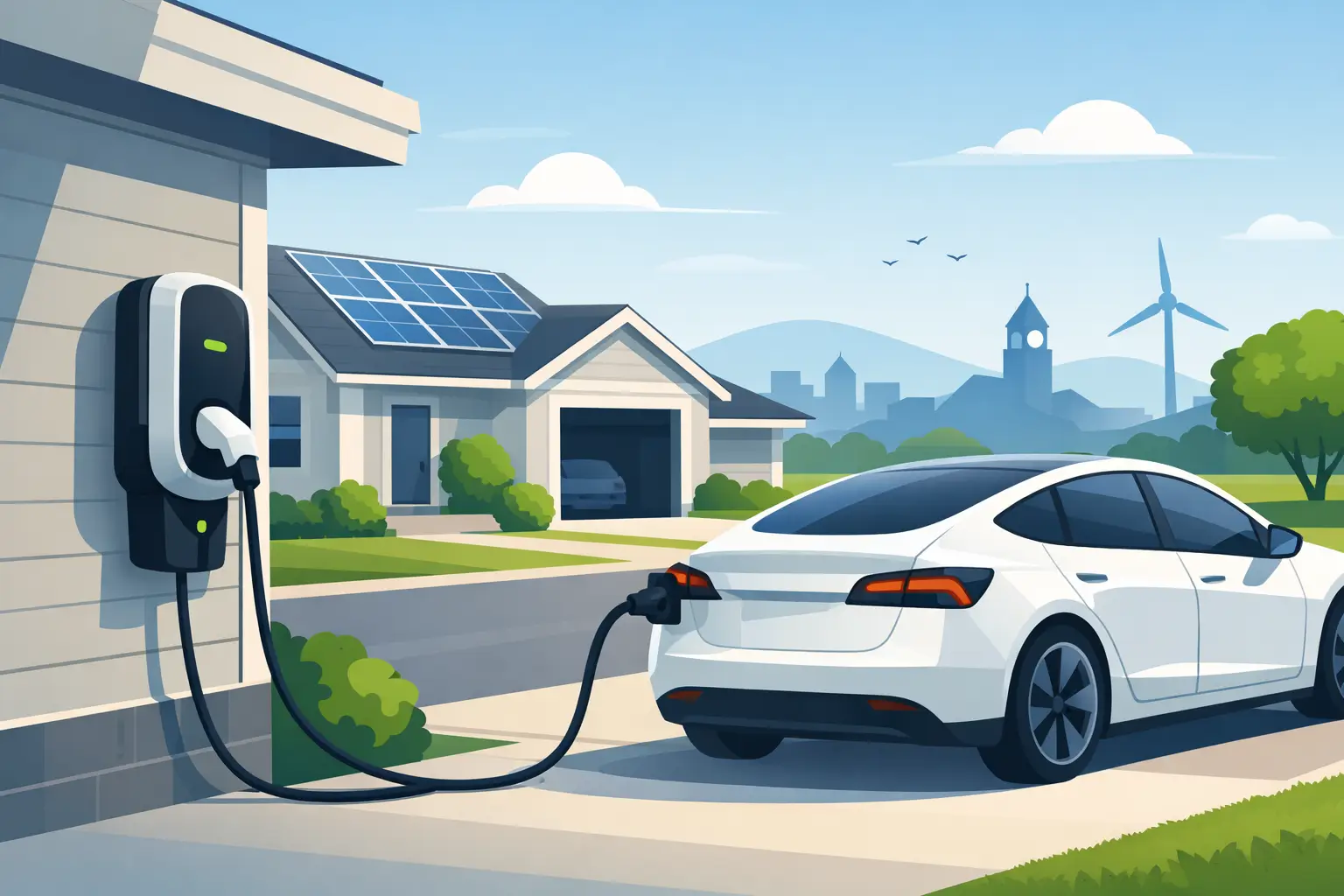
A new EV can make the daily drive quieter and less expensive, but relying on a standard wall outlet can quickly become frustrating. Charging may take far longer than expected, outlets can become warm if they are not suited for continuous use, and extension cords are never a safe answer. A professional Lancaster EV charger installation gives your vehicle a dedicated, dependable place to charge while protecting the electrical system that serves the rest of your home.
For many Antelope Valley homeowners, the best setup is not simply the most powerful charger available. It is the charger, circuit, location, and electrical panel capacity that work safely together. A licensed electrician can evaluate those details before installation so your charging routine is convenient without placing unnecessary strain on your home’s electrical system.
Why a Dedicated EV Charging Circuit Matters
Electric vehicles draw power for hours at a time. That continuous electrical demand is different from plugging in a lamp, phone charger, or other small appliance. A properly installed Level 2 charger uses a dedicated circuit sized for the equipment and the home’s available electrical capacity.
A dedicated circuit helps prevent overloaded wiring, nuisance breaker trips, and the temptation to use equipment that was not designed for EV charging. It also gives homeowners a more practical daily routine. Depending on the vehicle and charger, Level 2 charging can restore a meaningful amount of driving range overnight, rather than requiring days of charging from a basic 120-volt outlet.
The right charging speed depends on your vehicle, driving habits, and the time it spends parked at home. A family that drives modest distances and charges overnight may not need the highest available amperage. On the other hand, households with long commutes, multiple EVs, or irregular schedules may benefit from additional charging capacity if the electrical system can support it.
What Is Included in a Lancaster EV Charger Installation Assessment?
Before installing equipment, a qualified electrician should look beyond the garage wall. The purpose of an assessment is to determine whether the home’s existing electrical system can safely support the added load and what work is needed for a code-conscious installation.
Electrical Panel Capacity
Your electrical panel distributes power to every major system in the house, including air conditioning, appliances, lighting, and outlets. Adding an EV charger means adding another substantial electrical load. An electrician performs a load calculation to assess your current demand and available capacity.
Some homes have enough room in the panel and enough electrical service capacity for a new dedicated circuit. Others may need a panel upgrade, a subpanel, breaker adjustments, or other improvements before charging equipment can be installed safely. This is especially common in older homes, homes with electric heating or pools, and properties where the panel is already full.
A panel that looks large enough is not always sufficient. The answer depends on the electrical service, existing loads, and the charger rating, not just the number of open breaker spaces.
Charger Location and Cable Reach
The best charger location is usually close to where the vehicle is parked, but convenience is only one consideration. The charging cable needs to reach the vehicle’s charge port without stretching across walkways, blocking doors, or creating a trip hazard.
Garage installation is common because it protects the equipment from weather and keeps the cable close at hand. Driveway and exterior installations can also work well when a garage is unavailable or the vehicle is typically parked outside. Outdoor equipment must be rated for its location, installed with appropriate weather protection, and placed where it will be less likely to be hit by a vehicle.
The route from the electrical panel to the charger also affects the project. A short, accessible run may be straightforward. A longer run through finished walls, an attic, or underground areas can require more labor and materials. A clear onsite evaluation provides a more accurate plan than choosing an installation based only on an online estimate.
Equipment Compatibility
Most homeowners purchase the charger separately, while others choose a model after discussing their needs with an electrician. In either case, the equipment should be compatible with the vehicle and appropriate for the desired installation location.
Hardwired chargers are permanently connected to the electrical circuit. They can be a practical choice for higher-capacity charging and provide a clean, fixed installation. Plug-in chargers offer flexibility, but the receptacle, circuit, and outlet type must be correctly matched to the equipment. A standard household outlet is not automatically suitable for continuous EV charging.
Smart chargers can provide useful features such as scheduled charging, energy-use tracking, and notifications. These features may be worthwhile for homeowners who want to charge during certain utility periods or monitor household energy use. They are not required for safe charging, however. A reliable charger installed correctly is more valuable than a feature-heavy unit connected to an inadequate circuit.
Permits and Code-Conscious Work Protect the Home
EV charger installation is an electrical project, not a do-it-yourself outlet upgrade. Local permit requirements can apply, particularly when a new circuit, panel work, or service upgrade is involved. Permitting and inspection help confirm that wiring methods, overcurrent protection, grounding, equipment ratings, and installation locations meet applicable requirements.
This matters for more than paperwork. Correct installation reduces the risk of overheated connections, damaged equipment, and avoidable electrical hazards. It may also be important when selling the home, making an insurance claim, or documenting improvements for a future buyer.
Experienced local electricians understand that code requirements and site conditions both matter. A charger installation in a newer attached garage may have different needs than one at an older property with a detached garage, a long driveway, or limited panel capacity. The goal is not to force every home into the same solution. It is to recommend work that is safe, functional, and appropriate for the property.
Common Questions Homeowners Have About EV Charging
Can I charge my EV from a regular outlet?
Most EVs can charge from a standard 120-volt outlet, often called Level 1 charging. It can work for low-mileage drivers who have plenty of time between trips. The trade-off is speed. For many households, it is too slow to reliably replace the miles driven each day.
If you use Level 1 charging, the outlet and circuit should still be inspected to make sure they are in good condition and suitable for the continuous load. Avoid extension cords, worn outlets, loose plugs, or overloaded garage circuits.
Will I need an electrical panel upgrade?
Not always. The need for an upgrade depends on the available capacity after a proper load calculation. A home with a modern 200-amp service may have room for a charger, while another home with the same service size may already be near capacity because of its appliances and systems.
If an upgrade is needed, it can be an investment in the home’s long-term performance. A panel improvement may create capacity for EV charging while also supporting future needs such as an electric range, heat pump, workshop equipment, solar equipment, or additional home improvements.
How long does installation take?
A straightforward installation may be completed relatively quickly once the equipment, permits, and electrical plan are in place. More complex projects take longer when they involve panel upgrades, trenching, long wire runs, finished-wall access, or utility-related work. The most dependable timeline comes after an electrician has inspected the home and identified the full scope.
Choose an Installation Built for Daily Use
The lowest upfront price is not always the best value when the project involves your home’s electrical system. An installation that skips load calculations, uses undersized wiring, or treats a high-demand charger like an ordinary outlet can lead to costly corrections later.
A1 Home Electric approaches EV charger work with the same focus used for residential repairs, panel projects, and electrical inspections: quality and safety first. Since 2006, local homeowners have relied on experienced electrical service that considers the condition of the whole home, not just the immediate task.
Before choosing a charger or scheduling installation, take a moment to consider where you park, how far you drive, and what else your electrical panel supports. A thoughtful plan now can give you a safer, more reliable charging routine every time you come home.