

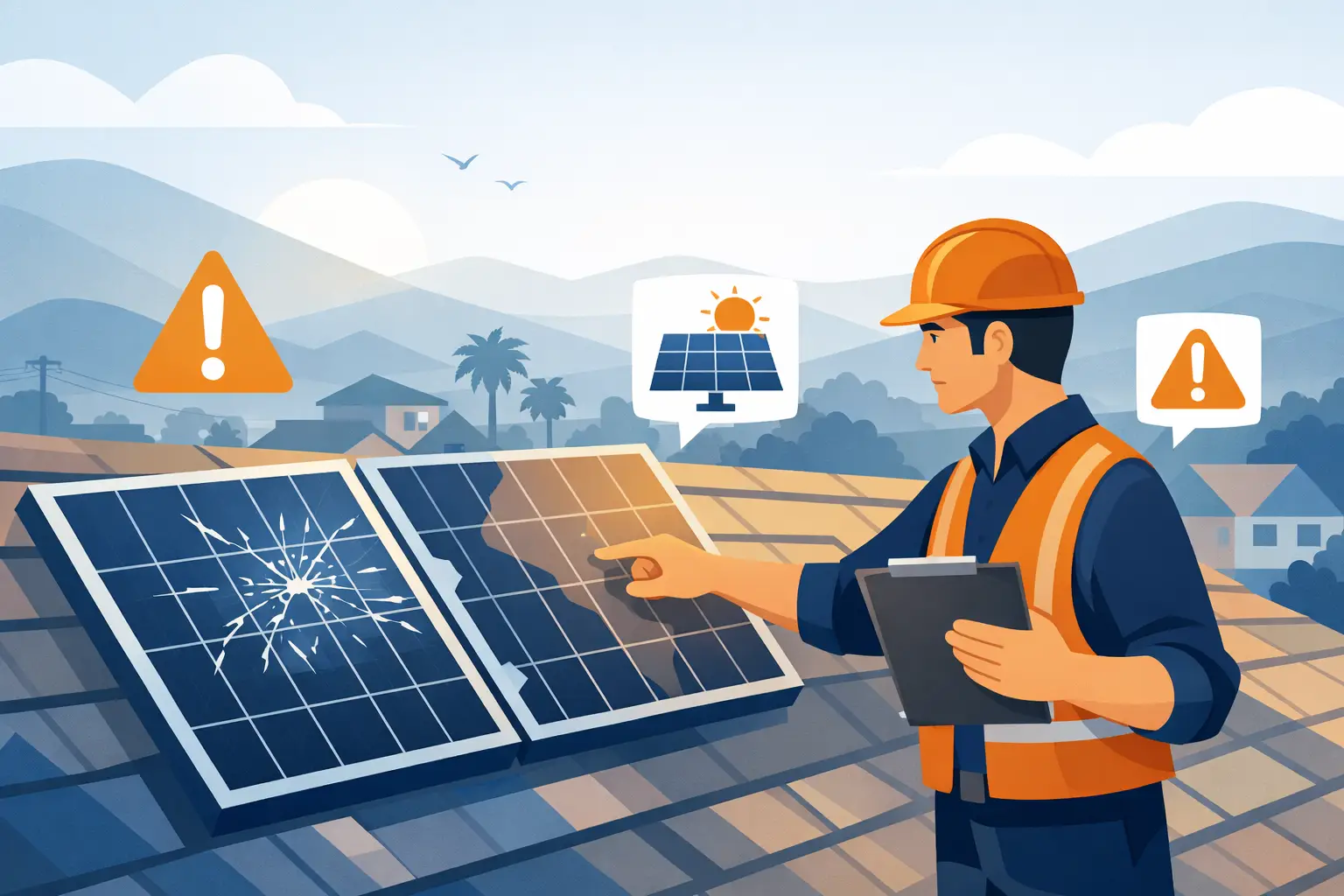
A breaker that trips once after a space heater runs is not always an emergency. A breaker that trips repeatedly, feels warm, makes buzzing sounds, or leaves part of the home without dependable power deserves prompt attention. For many local homeowners, Quartz Hill panel replacement is the practical next step when the electrical panel can no longer safely support daily life.
Your panel is the control center for the electrical system. It distributes power to every circuit, helps protect wiring from overloads, and should respond predictably when a problem occurs. When it is aging, damaged, undersized, or poorly configured for the home’s needs, the issue is more than an inconvenience. It can affect safety, comfort, appliance performance, and your ability to add modern electrical equipment.
When Quartz Hill Panel Replacement Makes Sense
Not every electrical concern requires a new panel. A licensed electrician may be able to correct a loose connection, replace a failed breaker, repair damaged wiring, or address a single overloaded circuit. Panel replacement becomes more likely when the panel itself has a condition that cannot be responsibly repaired or when the home has outgrown its available capacity.
Older homes in Quartz Hill and across the Antelope Valley often have electrical systems that were designed for a different lifestyle. Central air conditioning, larger kitchen appliances, home office equipment, workshop tools, pool equipment, and EV chargers all place demands on a system that may once have served only basic lighting and receptacles.
The goal is not simply to install a larger box on the wall. The right project starts with an evaluation of your current electrical load, the panel condition, the service feeding the home, and the circuits your household actually uses. That helps ensure the solution fits the home rather than creating a costly upgrade that does not address the real issue.
Warning signs homeowners should not ignore
Some signs point to a problem within a single circuit, while others suggest that the panel or service equipment needs a closer look. Call for an electrical inspection if you notice recurring breaker trips, flickering or dimming lights, breakers that will not reset, rust or moisture around the panel, a burning odor, scorching, crackling, or heat coming from the panel cover.
A panel should never be hot to the touch. Buzzing, popping, or visible signs of damage are also reasons to act quickly. Do not remove the cover or attempt to tighten internal connections yourself. Electrical panels contain energized components even when individual breakers are switched off.
Another common concern is a lack of space. If every breaker position is filled and you want to add an EV charger, a new air conditioning system, a hot tub, solar equipment, or additional circuits, an electrician can determine whether the existing panel has safe capacity. In some cases, a subpanel is appropriate. In others, a full panel or service upgrade is the better long-term choice.
What a Panel Replacement Can Improve
A properly planned panel replacement gives a home a safer, more reliable foundation for everyday power use. Newer panels use modern circuit protection, provide better organization, and can create room for future needs. That can make electrical troubleshooting easier and help prevent the unsafe practice of overloading existing circuits or relying on extension cords as permanent solutions.
For households with changing needs, added capacity can be especially valuable. An EV charger, for example, is a continuous electrical load that needs careful planning. The same is true of major HVAC equipment, electric ranges, dryers, and garage workshops. A panel that was adequate years ago may not have enough capacity today.
Replacement can also be a sensible decision when a panel is associated with known reliability concerns, has suffered water damage, or shows corrosion. The panel is too central to the home’s safety to treat as a wait-and-see repair. A professional assessment helps distinguish between a manageable repair and equipment that should be replaced before it fails at the wrong time.
What to Expect During a Panel Replacement
The process begins with an on-site assessment. An electrician reviews the existing panel, electrical service, grounding and bonding, visible wiring conditions, and the home’s anticipated loads. This is where your plans matter. Mention an EV purchase, kitchen remodel, room addition, pool equipment, or any appliance changes you expect in the next few years.
Next comes the scope of work. Depending on the home, panel replacement may involve replacing the panelboard, installing new breakers, correcting grounding or bonding, updating the meter equipment, or upgrading the service capacity. The exact work depends on the age and layout of the electrical system, along with applicable permit and inspection requirements.
Because the main electrical service may need to be shut down during installation, homeowners should plan for a temporary power interruption. A qualified electrician will explain what needs to be unplugged or powered down beforehand and provide a realistic schedule. Most straightforward replacements can be completed efficiently, but older homes sometimes reveal wiring conditions that require additional repairs for safety and code compliance.
After installation, circuits should be clearly labeled and tested. Clear labeling is a small detail that matters during an outage, appliance repair, or future home project. You should know which breaker controls major areas and equipment without having to guess.
Choosing the Right Size Is Not Just About Amps
It is easy to assume that bigger always means better. In electrical work, the correct answer depends on the home’s calculated load and the condition of the service equipment. A larger panel with no corresponding service upgrade may not solve a capacity problem. On the other hand, replacing a crowded or damaged panel with a properly sized modern panel can provide useful circuit space and improved protection without unnecessary work.
An electrician considers the home’s square footage, heating and cooling equipment, electric appliances, laundry equipment, kitchen loads, dedicated circuits, and planned additions. The assessment also considers how these loads are used. A home with gas heat and a modest appliance load has different needs than a fully electric home with an EV charger and high-demand cooling equipment.
This is why a quick estimate based only on the number of breakers can be misleading. Quality and safety come from understanding the entire system, not just replacing visible equipment.
Avoid Shortcuts With Panel Work
Panel work is not a place to choose the lowest bid without asking questions. A low price can leave out needed permit coordination, grounding corrections, proper breaker selection, load calculations, labeling, or repairs to damaged conductors. Those details affect how safely the system operates after the job is done.
Homeowners should look for a licensed electrical contractor with residential experience and a clear explanation of the recommended work. Ask what the estimate includes, whether the existing service is adequate, how long power will be off, and whether the work allows for planned additions such as an EV charger. A dependable contractor should answer plainly, without pressuring you into more work than the home needs.
A1 Home Electric has served local homeowners since 2006 with practical electrical recommendations built around reliable performance and household safety. Whether the answer is a repair, a subpanel, or a full replacement, the focus should stay on what protects the home and supports your family’s needs.
A Safer Electrical Foundation for the Years Ahead
A panel replacement is often easiest to appreciate after it is finished: breakers hold properly, new equipment has room to be installed, and the home’s electrical system feels dependable again. But the best time to address panel concerns is before warning signs turn into a loss of power or a safety hazard.
If your panel is overloaded, aging, damaged, or unable to support the way your household uses electricity, arrange a professional evaluation. A clear diagnosis today can help keep your home comfortable, protected, and ready for what comes next.