

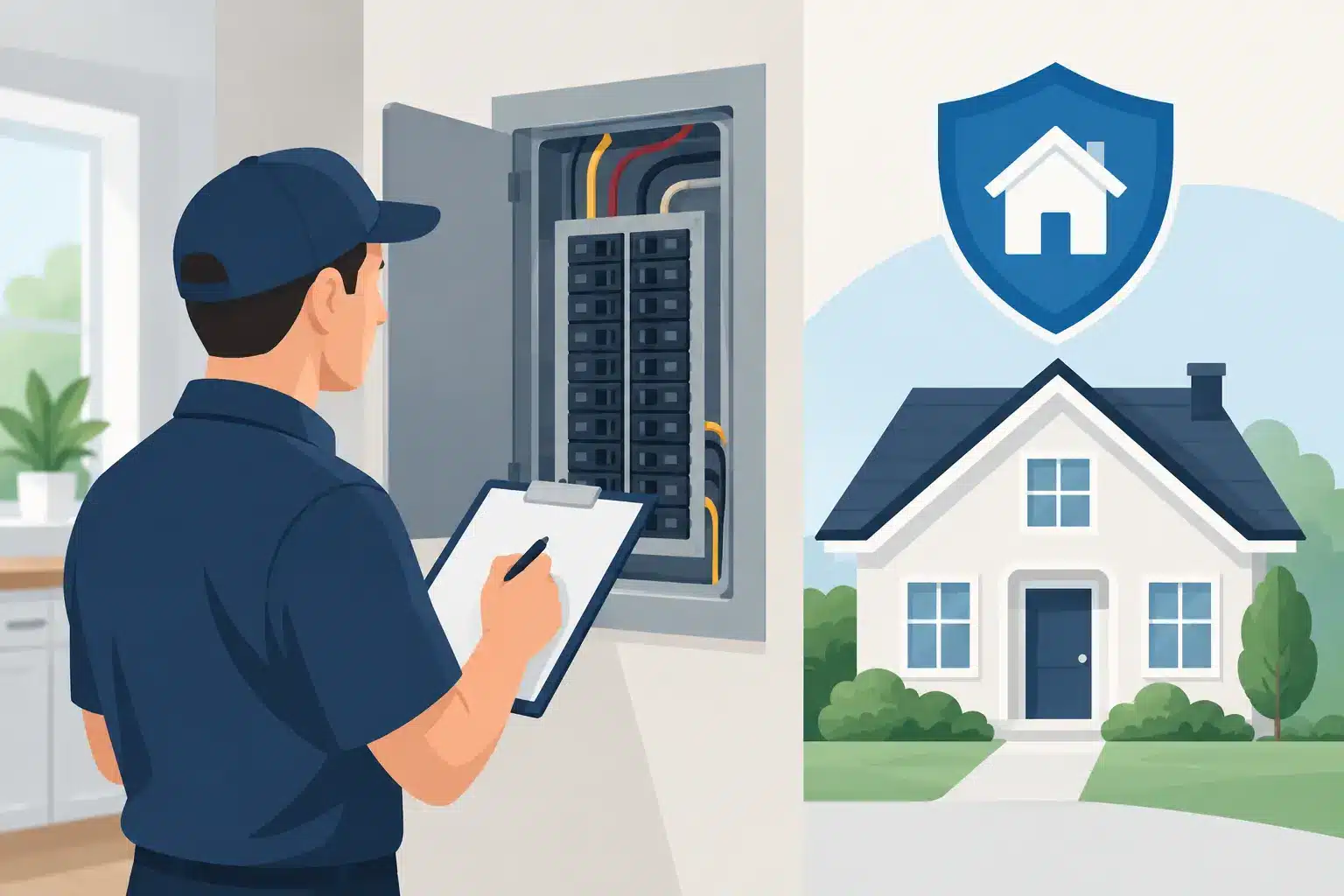
A breaker that trips during a hot Antelope Valley afternoon can feel like a small inconvenience. So can a light that flickers when the microwave starts. But these are often the moments when electrical inspections provide real value: they help identify whether a minor symptom is simply a worn device or a sign that part of the home’s electrical system needs attention.
For homeowners, an inspection is not about adding technical jargon or finding problems that do not exist. It is a practical look at the systems that power daily life, from the service panel and wiring to outlets, switches, and safety devices. The goal is straightforward: catch hazards, capacity concerns, and aging components before they lead to unreliable power, damaged equipment, or a dangerous electrical event.
What Electrical Inspections Look For
A residential electrical system works largely out of sight. Wiring runs behind walls, connections sit inside boxes, and the panel is often only opened when a breaker trips. That makes professional evaluation especially useful when a home is older, has been remodeled, or is taking on new electrical demands.
An electrician begins by looking at the visible condition and operation of key components. The service panel is a central focus because it distributes power throughout the home. A proper evaluation can reveal concerns such as loose connections, corrosion, signs of overheating, incorrect breaker sizing, crowded wiring, or a panel that no longer has enough capacity for the household’s needs.
The inspection also considers outlets, switches, lighting, and protective devices. Ground-fault circuit interrupter outlets, commonly called GFCIs, are especially important in bathrooms, kitchens, garages, laundry areas, and exterior locations. These devices are designed to shut off power quickly when they detect an imbalance that could indicate a shock hazard. Smoke and carbon monoxide alarm power arrangements may also be reviewed where appropriate.
Not every concern can be identified without opening walls, and a visual inspection is not a guarantee that every concealed wire is perfect. Still, an experienced electrician can recognize warning signs and recommend the right next step when further testing or repair is needed.
Safety Issues That May Not Be Obvious
Many electrical issues develop gradually. A connection can loosen over time. An overloaded circuit may work most days but run hot when several appliances are used at once. Older wiring may have served a home well for decades, yet no longer match the demands of larger televisions, home offices, electric heating equipment, modern kitchen appliances, or an EV charger.
A homeowner may not notice these conditions until there is a burning odor, a warm outlet cover, repeated breaker trips, or a loss of power. Waiting for that moment is rarely the best plan. Electrical problems are easier to address when they are identified early and repaired before they affect a larger portion of the system.
When to Schedule an Electrical Inspection
There is no single schedule that fits every home. A newer home with no changes and no symptoms may not need the same level of attention as an older property with a history of additions, DIY work, or frequent breaker issues. The practical question is whether something has changed in the home, the system, or the way electricity is being used.
An inspection is particularly worthwhile before purchasing a home, after buying an older property, or when preparing a house for sale. A general home inspection can flag visible electrical concerns, but a licensed electrician can take a closer look at panel condition, circuit behavior, grounding, and repair needs. This gives homeowners a clearer picture of priorities instead of relying on guesswork.
It is also smart to schedule an evaluation before a major electrical addition. Installing an EV charger, upgrading kitchen appliances, adding a workshop circuit, building an addition, or converting a garage can increase the load on the system. In some homes, the existing panel and service can handle the change. In others, a panel upgrade or circuit improvements may be necessary for safe, reliable operation.
Homeowners should call for an inspection when they notice persistent warning signs, including:
- Breakers that trip repeatedly or fuses that blow
- Lights that dim or flicker when appliances turn on
- Outlets or switches that feel warm, spark, buzz, or stop working
- A burning smell, discolored cover plate, or damaged wiring
- Extension cords and power strips being used as permanent solutions
One isolated event may have a simple explanation. Repeated symptoms deserve professional attention, particularly when they involve heat, odor, or a breaker that will not stay on.
Why Older Homes Need a Closer Look
Palmdale, Lancaster, and surrounding Antelope Valley communities include homes from many construction eras. Age alone does not mean a home is unsafe. A well-maintained older electrical system can continue performing reliably. The concern is whether past upgrades were completed correctly and whether the system still supports the household’s current needs.
Older panels may have limited capacity or lack space for additional circuits. Older outlets may not provide the grounding or protection expected in locations where water is present. Previous owners may have added lighting, outdoor equipment, air conditioning components, or room conversions without updating the supporting circuits.
An inspection helps separate urgent repairs from improvements that can be planned over time. For example, a damaged outlet or overheated connection should be addressed promptly. A panel with limited future capacity may be better handled as part of a planned upgrade, especially if an EV charger or remodel is on the horizon. This distinction helps homeowners make informed decisions without treating every recommendation as an emergency.
What Happens During a Professional Visit
A quality inspection should leave the homeowner with clear answers, not more uncertainty. The electrician will usually ask about the home’s age, recent electrical changes, recurring problems, and planned projects. Sharing details such as which breaker trips, when lights flicker, or what appliances are running can make diagnosis more efficient.
The electrician may inspect the electrical panel, test selected outlets and safety devices, look for visible wiring concerns, and evaluate the condition of fixtures and connections. If a problem is found, the next step should be explained in plain language: what is happening, why it matters, whether it requires prompt repair, and what the repair involves.
Some recommendations are straightforward, such as replacing a worn outlet, adding GFCI protection, correcting a loose connection, or installing a dedicated circuit. Others involve larger decisions, including panel replacement or service upgrades. The right solution depends on the home’s existing equipment, electrical demand, condition, and future plans. A reliable electrician should recommend work based on safety and performance, not pressure.
Inspection Results Should Lead to a Clear Plan
The value of an inspection is not just the checklist. It is the plan that follows. Homeowners should understand which concerns need immediate attention, which items should be monitored, and which upgrades would improve convenience or prepare the home for future electrical needs.
For example, a family planning to purchase an electric vehicle may learn that their panel has enough available capacity but needs a dedicated circuit run to the garage. Another household may find that frequent tripping is caused by an overloaded circuit rather than a failing panel. In a different home, visible heat damage in the panel may call for more urgent repairs. Each situation deserves an assessment based on the actual condition of the home.
A1 Home Electric approaches residential service with that practical mindset. The goal is to protect the household, restore dependable operation, and help homeowners make decisions they can feel confident about.
Electrical work is easy to postpone when everything appears to be working. Yet a professional inspection can provide peace of mind before a remodel, a new appliance installation, a home purchase, or another season of heavy electrical use. If something in your home does not look, sound, or feel right, having it checked is a sensible step toward safer, more reliable comfort.