
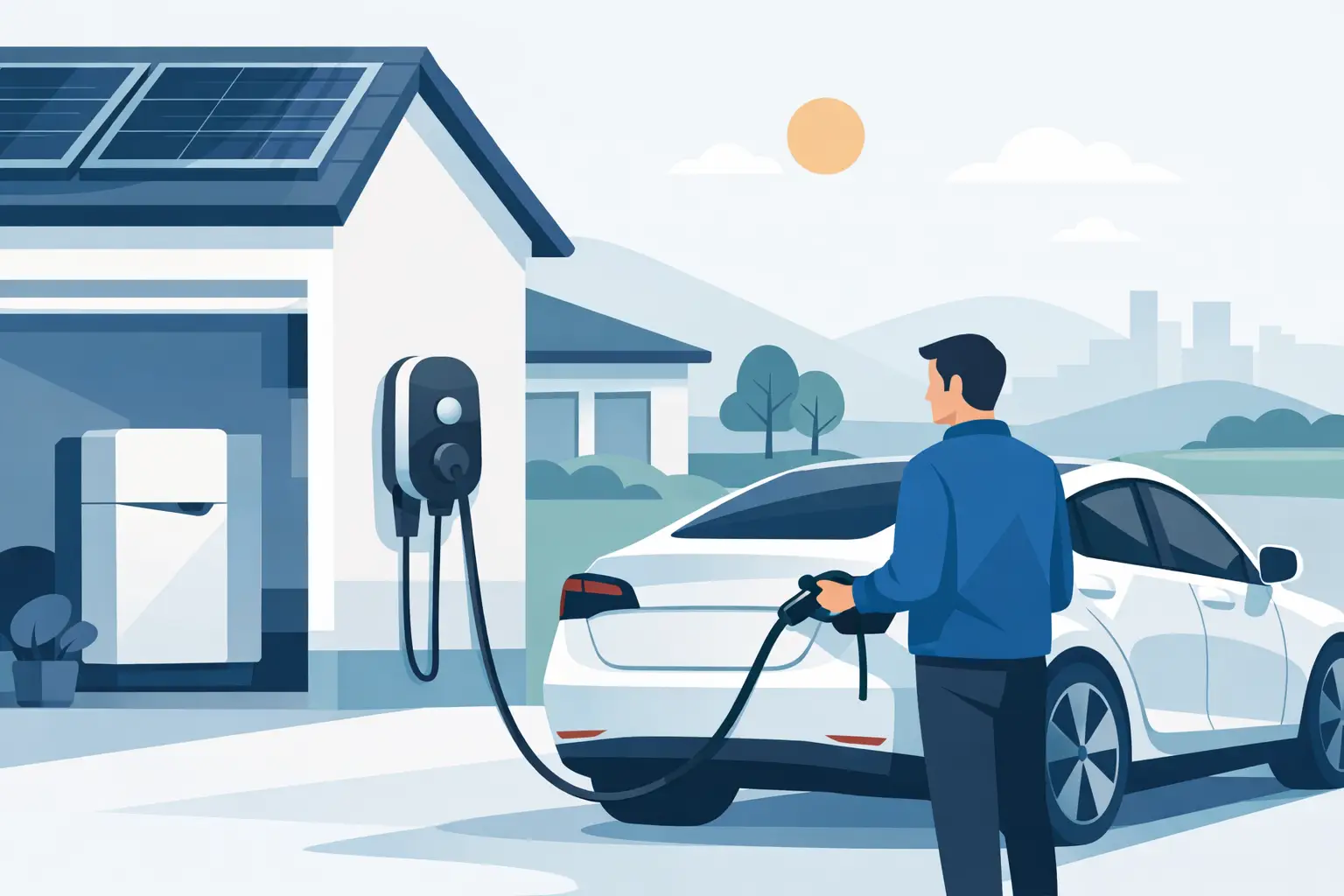
Pulling into your garage and plugging in overnight sounds simple. In most homes, it can be. But a good ev charging home setup guide starts with one fact that gets missed all the time: your charger is only as reliable as the electrical system behind it.
If the panel is already full, the wiring is aging, or the installation is treated like a basic appliance hookup, problems can show up later as nuisance breaker trips, slow charging, or safety concerns. For homeowners, the goal is not just getting power to the car. It is getting a setup that works day after day without putting unnecessary strain on the home.
What an EV charging home setup guide should help you decide
Most homeowners are trying to answer three practical questions. What charger do I need, can my electrical panel support it, and what will the installation involve?
Those are the right questions because home EV charging is not one-size-fits-all. A household with one commuter vehicle and plenty of overnight time may do well with a simpler setup. A home with two EVs, heavier daily driving, or an older electrical panel may need a more thoughtful plan.
A charger installation should match the way you actually use the vehicle. Bigger is not always better, and cheaper upfront is not always the lowest-cost choice over time.
Start with how fast you really need to charge
The first decision is charging speed. For most homeowners, that means choosing between Level 1 and Level 2 charging.
Level 1 uses a standard household outlet. It is the slowest option, but for some drivers it can be enough. If you drive short distances, have a plug-in hybrid, or can leave the vehicle charging for long stretches, Level 1 may cover your needs. The trade-off is convenience. If your schedule changes or you need a quicker turnaround, Level 1 often starts to feel limiting.
Level 2 charging is what most homeowners picture when they think of an EV charger installation. It uses a dedicated 240-volt circuit and delivers much faster charging. For households with daily commutes, multiple drivers, or fully electric vehicles, Level 2 usually makes home charging much more practical.
The right choice depends on your driving habits, battery size, and how often the car needs to be ready by morning. A faster charger can be helpful, but only if the home can support it properly.
Your electrical panel matters more than the charger brand
Homeowners often spend a lot of time comparing charger features and very little time looking at panel capacity. In reality, the panel is one of the most important parts of the project.
An EV charger adds a significant electrical load. In some homes, there is plenty of room for that load. In others, the panel is already close to capacity because of air conditioning, electric dryers, ovens, water heaters, or previous additions. That is especially common in homes with older service equipment.
A proper evaluation looks at more than whether there is an open breaker space. It looks at the overall electrical demand of the home and whether adding a charger will keep the system operating safely. Sometimes the answer is simple – install a dedicated circuit and move forward. Sometimes the safer path is a panel upgrade or load-management solution.
That is one reason professional installation matters. A charger may seem like a single device on the wall, but it affects the broader health of the electrical system.
Choosing the right location for your charger
Placement has a big effect on both convenience and installation cost. The ideal location is usually close to where the vehicle parks and close enough to the panel to avoid unnecessary wiring runs. Shorter, more direct wiring can reduce labor and material costs.
But convenience should not be overlooked. A charger that is awkward to reach every night will become frustrating fast. Cable reach, garage layout, weather exposure, and future vehicle changes all matter.
For some homes, the best spot is inside the garage near the panel. For others, an exterior wall makes more sense. Outdoor installations can work well when the equipment is rated for that use and installed correctly. The main point is to plan for real daily use, not just what looks neat on install day.
Hardwired vs. plug-in chargers
This is another area where it depends on the home and the equipment. Some chargers are designed to be plugged into a properly installed 240-volt receptacle. Others are hardwired directly into the electrical system.
A plug-in charger can offer some flexibility if you plan to change equipment later. But it still requires the right circuit, the right receptacle type, and correct installation. It is not a casual DIY outlet project.
A hardwired charger is often the cleaner and more permanent option. It can reduce certain points of failure and may be preferred for higher-amperage setups. Many homeowners choose hardwired installations because they want a durable, long-term solution with fewer variables.
The better option depends on the charger model, the home’s electrical capacity, local code requirements, and how permanent you want the setup to be.
Permits, code, and why they matter
When homeowners hear the word permit, they sometimes think of delay or extra cost. But with EV charging, permits and code-compliant installation serve a real purpose. They help verify that the circuit, breaker sizing, wiring method, grounding, and equipment installation meet safety standards.
That matters for your family’s safety, for the long-term performance of the charger, and for the home itself. Electrical work that is done incorrectly can create hidden issues that do not show up right away. Those are the kinds of problems homeowners want to avoid.
A licensed residential electrician will also know when the charger installation points to a larger issue, such as an overloaded panel, outdated service equipment, or signs that the home could benefit from additional electrical upgrades.
What affects installation cost
Homeowners naturally want a ballpark price, but charger installation costs can vary for good reason. The final cost is driven less by the charger itself and more by the conditions in the home.
The biggest factors are panel capacity, distance from panel to charger location, wiring complexity, whether drywall or finished surfaces need to be worked around, and whether a panel upgrade is necessary. Homes with modern electrical service and a straightforward garage layout are usually more predictable. Older homes or homes with full panels can require additional work before a charger should be added.
That does not mean every project turns into a major upgrade. It means the safest answer comes from evaluating the home first instead of guessing from online averages.
A practical EV charging home setup guide for older homes
Older homes can absolutely support EV charging, but they deserve a closer look. If your home has an aging panel, frequent breaker issues, or electrical additions that have built up over the years, charger installation should be approached carefully.
In these homes, the charger can expose limitations that were already there. Maybe the service is undersized for current household demands. Maybe the panel has little remaining capacity. Maybe there are signs of wear that should be addressed before adding another major load.
For homeowners in areas like Palmdale and Lancaster, where air conditioning already places a real seasonal demand on the electrical system, that assessment becomes even more valuable. A charger should fit into the home’s existing electrical needs without creating stress during the hottest months.
What to expect from a professional installation
A proper installation usually starts with a site visit or electrical assessment. That includes looking at the panel, identifying available capacity, reviewing charger location options, and understanding how you use the vehicle.
From there, the installation plan should be straightforward. You should know whether a dedicated circuit is being added, whether the charger will be hardwired or plugged in, whether permitting is required, and whether any panel work is recommended.
The best outcome is not simply a charger that turns on. It is a setup that feels dependable, fits your home, and supports your routine without constant second-guessing. That is the standard experienced residential electricians work toward.
A1 Home Electric takes that same practical approach with EV charger installations, focusing on safe electrical capacity, code-conscious workmanship, and long-term reliability for the home.
Common mistakes homeowners can avoid
One of the most common mistakes is choosing a charger before checking the home’s electrical capacity. Another is assuming an open space in the panel automatically means the system is ready. Homeowners also run into trouble when they pick the farthest or most decorative charger location, only to find out the wiring path adds unnecessary cost.
There is also a tendency to oversize. A very high-output charger may sound appealing, but if your driving routine does not require it, a more balanced setup may be the better value. The best installation is the one that supports your daily use safely and consistently.
If you are planning home EV charging, think about the whole system, not just the device on the wall. A well-matched setup should feel simple once it is in place, and that simplicity usually comes from making careful decisions before the work begins.
Leave a Reply