
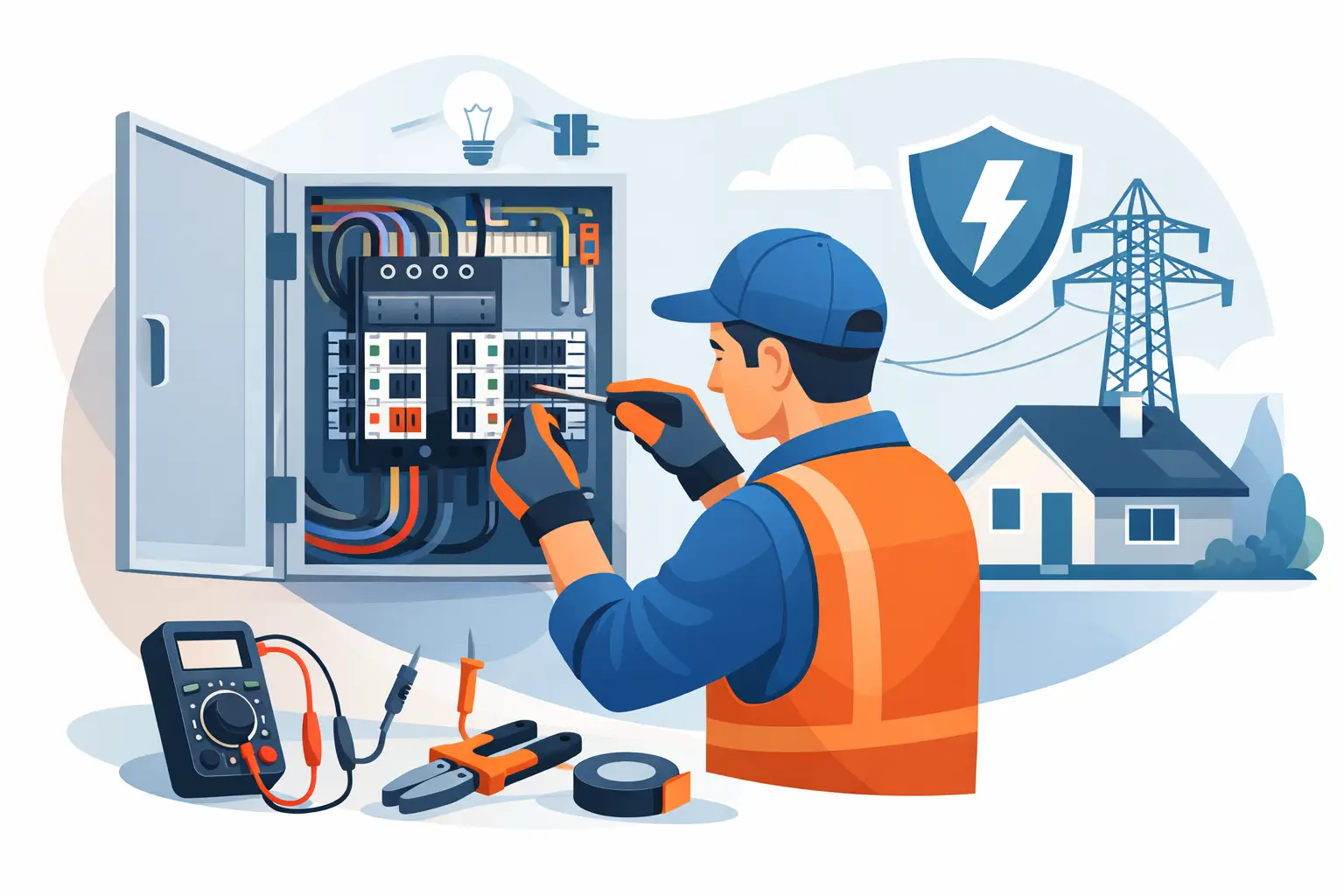
When your lights dim every time the AC starts, or a breaker trips when someone uses the microwave and hair dryer at once, your electrical panel is telling you something. This home panel upgrade guide is for homeowners who want a safer, more dependable electrical system without getting buried in technical jargon.
For many homes, the panel works quietly for years until daily demands outgrow it. That usually happens gradually. A kitchen remodel adds more appliances, an EV enters the driveway, or a home office becomes permanent. What used to be enough power no longer feels steady, convenient, or safe.
What a home panel upgrade guide should help you decide
A panel upgrade is not just about adding more breakers. It is about making sure your home can safely distribute electricity where and when you need it. The panel is the control center for your electrical system, so when it is outdated, undersized, or showing signs of wear, the whole house can feel the effects.
For some homeowners, the need is obvious. Breakers trip often, the panel feels crowded, or there is visible corrosion. For others, the reason is tied to a project. Installing central air, adding a hot tub, replacing an old range, or preparing for an EV charger can all change your electrical load enough to make an upgrade worth considering.
There is also a difference between inconvenience and risk. A tripped breaker can be annoying, but heat damage, loose connections, buzzing sounds, or an aging panel with a poor service history can point to a larger safety issue. That is where a licensed electrician becomes important. The right recommendation depends on your home, your equipment, and how you actually use power day to day.
Signs your panel may be too old or too small
A lot of older homes were built for a much lighter electrical lifestyle. They were not designed around multiple televisions, larger HVAC systems, garage refrigerators, workshop tools, computer equipment, and EV charging. Even if the system still technically works, it may be operating closer to its limits than it should.
Frequent breaker trips are one of the clearest signs. So are flickering lights, especially when large appliances start up. If you rely on extension cords because there never seem to be enough usable circuits, that can also suggest the panel and overall system need attention.
Physical warning signs matter too. Rust, discoloration, a burning smell, warm breakers, crackling sounds, or a panel that looks modified over time are all reasons to schedule an inspection. Some homes also have outdated panel brands or equipment that have become known for reliability concerns. In that case, replacement may be the safer long-term choice even if problems have not become dramatic yet.
When a panel upgrade makes sense
Sometimes a repair is enough. Other times, a full upgrade is the practical answer because it solves both current problems and future limitations.
If you are adding major appliances, planning a remodel, or installing an EV charger, upgrading first can prevent delays and repeat work later. The same goes for homeowners who want better room for dedicated circuits in kitchens, garages, or outdoor living areas. It is easier and often more cost-effective to plan around future demand than to keep patching an overloaded setup.
A service upgrade may also make sense if your home still has a lower-capacity service that no longer matches modern usage. Many homeowners move from older 100-amp service to 200 amps, but that is not automatic. It depends on the size of the home, the equipment being used, and any upcoming electrical additions. Bigger is not always necessary, but enough capacity with room to grow usually pays off in convenience and peace of mind.
What happens during a panel upgrade
A good panel upgrade starts with an evaluation, not a guess. The electrician looks at your current panel, service size, grounding, wiring conditions, and total load needs. They also ask about planned upgrades, because the panel should fit not only what your home needs today but what it may need in the next several years.
From there, the scope becomes clearer. In some homes, the work involves replacing the panel and breakers while keeping the service size the same. In others, it includes a full service upgrade, new grounding components, meter work, or utility coordination. Permit requirements and inspection steps are part of the process, and they matter. This is not the place for shortcut work.
Power is typically shut off during the installation, so timing and preparation are part of the job. A dependable residential electrician will help set expectations, explain whether utility involvement is needed, and make sure the final setup is clearly labeled and code-conscious.
The trade-offs homeowners should understand
The cheapest option is not always the most practical one. If a panel is packed, aging, or already showing wear, replacing one problem breaker may not do much for long-term reliability. On the other hand, if the panel is in good condition and the issue is isolated, a full replacement may be more than the home actually needs.
That is why honest evaluation matters. A trustworthy contractor should explain what is necessary now, what can wait, and what future projects could change the recommendation. Homeowners benefit most when the advice is tied to safety and usage, not sales pressure.
There is also a timing trade-off. Some people wait until they are forced to upgrade because the panel fails, a remodel cannot move forward, or an insurance concern comes up. Planning ahead is usually less stressful. It gives you time to budget, compare options, and complete the work before the system becomes a disruption.
Home panel upgrade guide for EV chargers and modern homes
One of the most common reasons for panel upgrades today is EV charger installation. A Level 2 charger can place a meaningful load on your electrical system, especially in a home that already has air conditioning, electric cooking, laundry equipment, and other large demands. If your panel is already near capacity, the charger may be the project that finally exposes the need for an upgrade.
This does not mean every EV owner needs a new panel. Some homes already have the available capacity. Others may be able to use load management solutions depending on the equipment and electrical layout. But many homeowners are surprised to learn that the charger itself is only part of the job. The panel has to support it safely.
The same logic applies to other modern improvements. Home battery systems, upgraded HVAC, workshop circuits, pool equipment, and kitchen renovations all draw from the same electrical foundation. A panel upgrade is often less about one new item and more about making the whole home function better under real-world demand.
How to prepare before calling an electrician
A little preparation helps you get a more useful evaluation. Start by paying attention to patterns in your home. Which breakers trip, and when? Are lights flickering in one area or throughout the house? Have you added major appliances, a garage refrigerator, or office equipment over the years?
It also helps to know the age of the home and whether the panel has been replaced before. If you have plans for an EV charger, remodel, or new HVAC equipment, mention them early. A panel recommendation should reflect those future needs, not just current complaints.
If you live in an older home in places like Palmdale or Lancaster, electrical upgrades often come with a mix of aging infrastructure and newer power demands. That combination is common, and it is exactly why a practical, home-focused assessment matters.
Choosing the right contractor for the job
Panel work is not a handyman project. You want a licensed residential electrician with real experience in inspections, service upgrades, and code-conscious installations. The goal is not only to get the power back on, but to know the system is safer and better prepared for daily use.
Look for clear communication, a straightforward scope of work, and a contractor who explains what they found in plain language. You should understand whether the issue is capacity, condition, code compliance, or a combination of all three. A1 Home Electric has built its reputation around that kind of practical service – helping homeowners make sound decisions that protect the home over the long term.
A panel upgrade is one of those projects that most homeowners never think about until they need it. When the signs are there, paying attention early can save you from bigger interruptions later. Safer power, steadier performance, and room for the way your household actually lives are worth doing right.
Leave a Reply