
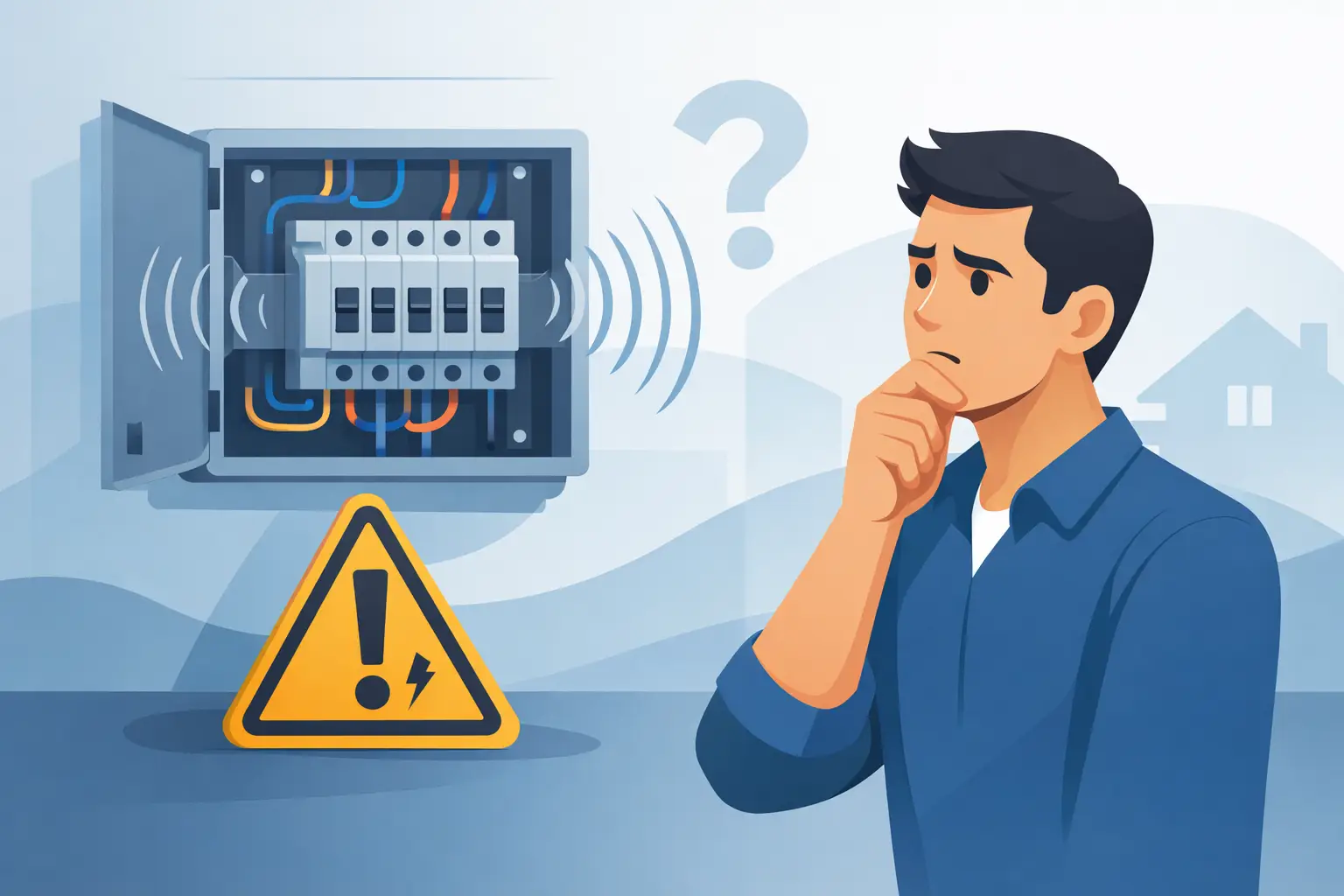
A low hum from your electrical panel can be easy to ignore until it gets louder, starts happening more often, or shows up with flickering lights and tripped breakers. If you’re wondering, is humming electrical panel dangerous, the short answer is sometimes. A soft, steady sound may come from normal electrical activity, but a noticeable buzz or hum can also point to a loose connection, an overloaded circuit, or a breaker that needs attention.
When a humming panel is normal and when it is not
Electrical panels are not always completely silent. In some homes, a very faint hum can happen when power is moving through the system, especially during high demand. That does not automatically mean something is failing.
What matters is the character of the sound. A mild, barely noticeable hum that has not changed over time is very different from a buzzing, vibrating, or crackling noise. If the sound is new, louder than usual, or paired with warmth, burning odors, or unreliable power, it should be treated as a warning sign.
Most homeowners are not expected to tell the difference between normal electrical noise and a developing hazard. That is why panel sounds should be taken seriously, especially in older homes or homes with heavy electrical use.
Is humming electrical panel dangerous in a house?
It can be. A humming electrical panel becomes more concerning when the noise is caused by arcing, loose wiring, worn breakers, or circuits carrying more load than they should. Those issues can create heat inside the panel, and heat is where electrical damage often begins.
A panel is the control center for your home’s electrical system. When something inside it is struggling, the problem usually does not stay isolated for long. You may start with a hum, then notice lights dimming when appliances start, breakers tripping for no clear reason, or outlets that no longer seem dependable.
There is also an important trade-off here. Not every humming panel means imminent danger, and not every noisy panel needs full replacement. Sometimes the fix is as simple as replacing a failing breaker or tightening a connection. But because the risk involves hidden heat and live components, this is not a wait-and-see issue if the sound is obvious or changing.
What usually causes a panel to hum
The most common cause is vibration from electrical current moving through components under load. That can be relatively harmless if the sound is slight. Problems begin when something inside the panel is loose, worn, or overstressed.
A loose connection is one of the more common reasons for panel noise. Electricity does not move cleanly through a poor connection, which can create resistance and heat. That can lead to buzzing or humming and may eventually damage the breaker, bus bar, or wire termination.
A failing breaker can also hum. Breakers are designed to protect the circuit, but they wear out over time. If one is not making solid contact or is having trouble handling the circuit load, it may start making noise before it trips.
Overloaded circuits are another frequent issue, especially in homes that have added appliances, garage equipment, or EV charging without a full look at panel capacity. When modern electrical demand is pushed through an older or undersized panel, stress shows up in different ways, and noise is one of them.
In some cases, the source is outside the panel itself. A large appliance, transformer, or connected circuit can cause the panel to vibrate or hum under certain conditions. That is why proper diagnosis matters. The panel may be where you hear the sound, but not always where the problem starts.
Signs the hum points to a bigger electrical problem
A humming sound on its own deserves attention. A humming sound with other symptoms deserves prompt service.
If you notice breakers tripping repeatedly, lights flickering, switches or outlets that feel warm, or a burning smell near the panel, do not ignore it. The same goes for visible rust, discoloration, or signs of scorching around breakers. Those are not nuisance issues. They suggest the electrical system may be operating unsafely.
You should also pay attention to timing. If the hum starts only when the air conditioner runs, when the dryer is on, or when multiple appliances are in use, that can indicate load-related strain. In the Antelope Valley, where cooling systems work hard during hotter months, seasonal electrical demand can expose panel weaknesses that were easy to miss before.
A panel that hums constantly is more concerning than one that briefly makes a faint sound under heavy use. Consistency, volume, and change over time all matter.
What you should do if your panel is humming
Start by paying attention, not by opening the panel. Homeowners should never remove the panel cover or try to tighten connections on their own. Even with the main breaker off, energized parts may still be present, and panel work requires training and the right safety procedures.
Instead, notice when the sound happens. Is it constant or only during certain times of day? Does it change when you run the microwave, HVAC system, or laundry equipment? Are any breakers tripping? Is there heat, odor, or visible wear? That information can help a licensed electrician identify the issue more quickly.
If the humming is loud, if you smell something burning, or if power seems unstable, it is best to shut off high-demand appliances and arrange for expert electrical repairs right away. If there is sparking, smoke, or clear signs of overheating, treat it as urgent.
Why older panels deserve extra caution
Not every noisy panel is old, but age increases the odds that the problem is more than minor. Many older homes were built for a lower electrical load than today’s households require. Between kitchen appliances, home offices, entertainment systems, garage equipment, and EV chargers, the average home’s electrical demand has changed dramatically.
An older panel may still function, but that does not always mean it is performing safely under current conditions. Wear on breakers, aging connections, outdated panel designs, and years of incremental strain can all show up as humming or buzzing.
This is especially true if your home has had additions or electrical upgrades over time. New circuits added to an aging panel can create mismatches in capacity and performance. A professional inspection helps determine whether the issue is a repair, a load-balancing adjustment, or a sign that a panel upgrade would better support long-term home performance.
Repair or replacement depends on the cause
A lot of homeowners worry that any panel noise means a full replacement is coming. Sometimes it does, but not always.
If the issue is isolated to a bad breaker, a loose connection, or a specific circuit problem, a targeted repair may restore safe operation. If the panel is outdated, showing signs of heat damage, lacking capacity, or experiencing repeated problems, replacement may be the safer and more cost-effective option.
That is where an honest evaluation matters. The right answer is not the biggest repair. It is the one that protects the home, supports your electrical needs, and reduces the chance of repeat trouble.
For homeowners in Palmdale, Lancaster, and nearby communities, heat, HVAC demand, and growing household power needs can put extra pressure on aging equipment. A calm, code-conscious inspection can reveal whether the hum is a minor fix or a warning your system should not be asked to carry one more season without attention.
When to call a licensed electrician
If your panel is making a new or noticeable humming sound, scheduling a professional inspection is the safest move. This is especially true if the sound is getting louder, occurs often, or appears alongside flickering lights, tripped breakers, or any sign of heat.
Electrical panel issues are not ideal for trial and error. What seems like a small noise can come from a hidden condition inside the panel that gets worse over time. Trusted electrical repair is not just about stopping the sound. It is about making sure your home is protected and your system is operating the way it should.
A licensed residential electrician can test the panel, inspect breakers and connections, evaluate load demands, and identify whether the problem is isolated or part of a larger electrical issue. That gives you a clear answer instead of guesswork.
If your panel is humming, take it as your home’s way of asking for attention. The safest next step is not to panic, but not to postpone either.
Leave a Reply