
A breaker that trips once after a storm may be a nuisance. A breaker that trips every time the microwave, space heater, or garage outlet is used is your home asking for attention. Quartz Hill electrical troubleshooting starts with identifying the pattern, protecting everyone in the home, and knowing when a licensed electrician needs to inspect the system.
Electrical problems are not always dramatic. Many begin with a light that flickers, an outlet that feels loose, or a circuit that suddenly cannot keep up with ordinary household use. Catching those warning signs early can prevent damaged equipment, inconvenient outages, and more serious safety concerns.
When an Electrical Problem Needs Immediate Attention
Turn off power at the breaker if you safely can and call for professional help promptly when you notice a burning smell, smoke, sparks, buzzing from a panel, a hot outlet cover, or discoloration around a receptacle or switch. Do not keep resetting a breaker that trips repeatedly. A breaker is designed to stop power when it detects an overload, short circuit, ground fault, or another condition that needs to be corrected.
Water near electrical equipment also deserves immediate caution. Do not touch a wet outlet, extension cord, electrical panel, or appliance. Keep people away from the area and arrange an inspection. In a home with older wiring or a recently remodeled room, what looks like a small issue can involve connections hidden behind walls.
If there is an active fire, smoke, or a person has been shocked, contact emergency services first. Electrical repair can wait until the immediate danger is under control.
Common Quartz Hill Electrical Troubleshooting Clues
Troubleshooting is more than replacing a switch or resetting a breaker. A qualified electrician looks at the symptom, the circuit serving it, the equipment connected to it, and the condition of the panel. That process matters because several different problems can create the same visible symptom.
Flickering or Dimming Lights
A single flickering bulb may simply be loose or nearing the end of its life. If several lights dim when the air conditioner starts, a large appliance turns on, or an EV charger begins operating, the cause may be a heavily loaded circuit, a loose connection, or an electrical service that is no longer well matched to the home’s demand.
Pay attention to whether the flickering is limited to one room or happens throughout the house. Whole-home changes in lighting should be checked rather than ignored, especially if they occur with buzzing, warm outlets, or frequent breaker trips.
Breakers That Keep Tripping
A breaker can trip because too many devices are running on one circuit. This is common in kitchens, garages, offices, and bedrooms where portable heaters, hair tools, power tools, or multiple chargers are in use. Unplugging a few items may confirm an overload, but it does not necessarily mean the circuit is adequate for how the space is being used.
A breaker that trips with little or nothing plugged in can point to a damaged appliance, faulty outlet, wiring issue, or moisture problem. Never replace a breaker with a larger one just to stop it from tripping. The breaker size must match the wire and circuit design. Increasing it without a proper evaluation can create a fire hazard.
Dead Outlets and GFCI Resets
When one or more outlets stop working, first check for a tripped breaker. Then look for a GFCI outlet with reset and test buttons, commonly found in bathrooms, kitchens, garages, laundry areas, and exterior locations. One GFCI may protect other outlets downstream, so a reset can restore power elsewhere.
If a GFCI will not reset, trips again immediately, or serves an area exposed to moisture, it needs inspection. A failed device is possible, but so is a wiring or ground-fault issue. This is not a place to rely on repeated resets.
Warm, Loose, or Damaged Outlets
Plugs that fall out, switch plates that feel warm, black marks around an outlet, or a crackling sound are all reasons to stop using that device. Loose contacts can create resistance and heat. Replacing the visible outlet may be part of the repair, but the wiring and connections behind it should also be checked.
Older homes can have aging receptacles, insufficient grounding, or circuits that were not designed for current household loads. A careful inspection helps distinguish a simple device replacement from a larger repair need.
What You Can Check Safely Before Calling
Homeowners can provide useful information without removing covers or opening an electrical panel. Note which rooms lost power, what was running when the problem started, and whether it happens at a certain time of day. Check whether a breaker is fully in the off position before resetting it once by moving it firmly off and then back on.
You can also unplug nonessential devices from the affected circuit and see whether the issue changes. Avoid using extension cords as a permanent solution for missing outlets or overloaded areas. Extension cords are temporary tools, not substitutes for properly installed wiring.
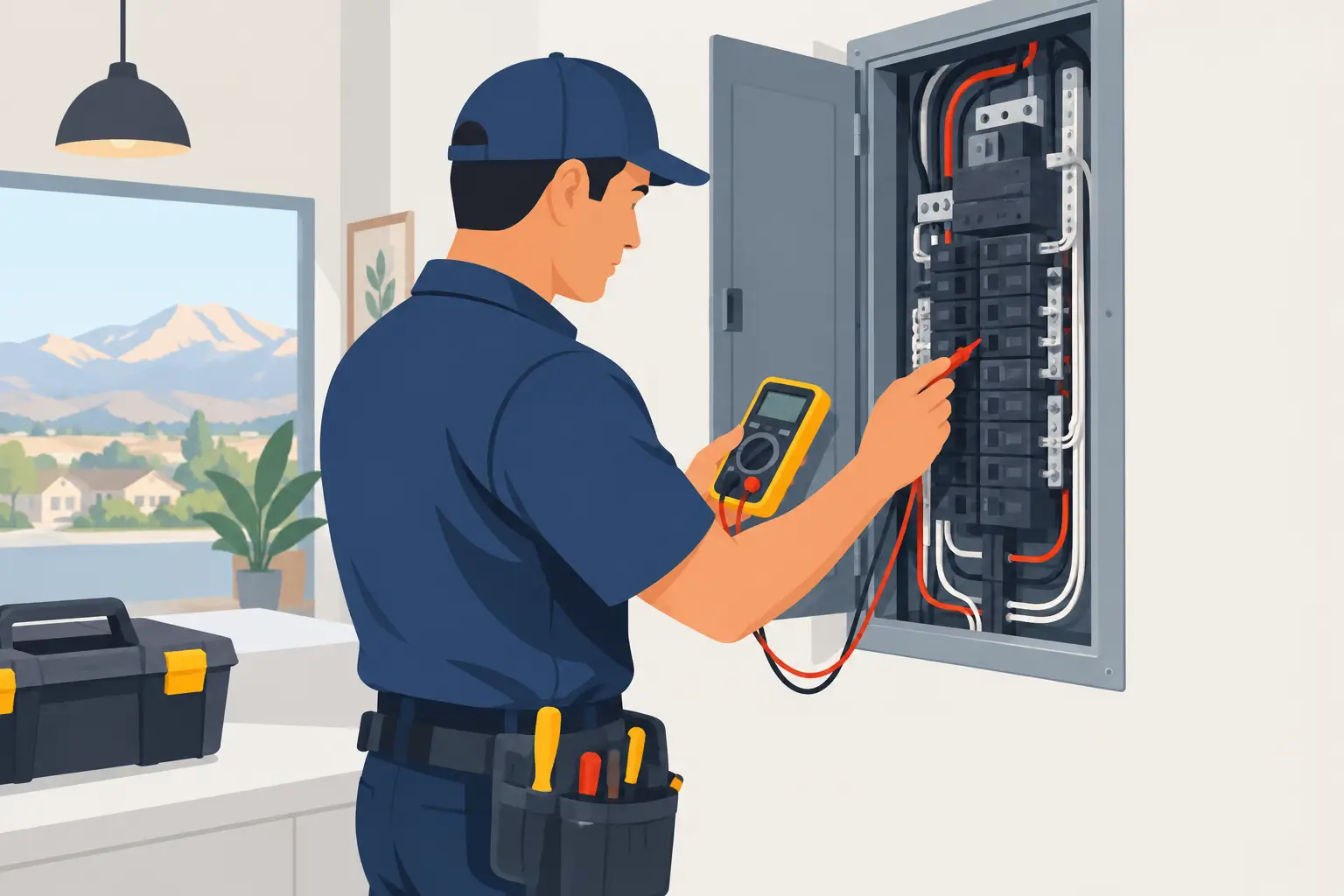
Do not remove outlet covers, handle exposed wires, force a breaker to stay on, or work inside the panel. Those tasks require the right testing equipment and training. A licensed electrician can test voltage, inspect connections, trace circuits, and determine whether the issue is a device, wiring run, breaker, panel, or utility-side concern.
When the Panel May Be the Real Issue
Electrical panels do not need replacement simply because they are older. Some older panels remain serviceable, while others need repair, replacement, or an upgrade due to condition, capacity, recalled equipment, corrosion, lack of space, or expanding electrical demand.
A panel evaluation is especially useful when you are adding an EV charger, renovating a kitchen, converting a garage, installing a heat pump, or repeatedly running out of breaker space. These projects can increase demand beyond what an existing service and panel were designed to support.
For eligible customers, Southern California Edison programs may offer rebates of up to $4,200 for qualifying panel upgrades and EV charger installations. Eligibility, program rules, and available funding can change, so the work should begin with an assessment rather than an assumption. A qualified contractor can help coordinate the practical steps, including permit requirements, inspections, and utility meter shutoff arrangements when a service upgrade requires them.
Why Permits and Inspections Protect Your Property
Permits can feel like an extra step, but they are particularly valuable for panel upgrades, service changes, new circuits, and EV charger installations. They create a documented process for code-conscious work and inspection. That can matter to homeowners, commercial property owners, insurers, and real estate agents preparing a property for sale.
The right scope depends on the repair. Replacing a failed receptacle is different from correcting unsafe wiring in a wall or upgrading a main electrical service. A dependable electrician explains what is needed, why it is needed, and what the repair involves without pushing unnecessary work.
Choosing Help for Electrical Repairs in Quartz Hill
Look for a California-licensed electrician with experience diagnosing residential electrical issues, not just installing new equipment. Ask whether the contractor will identify the cause of the problem, explain the repair options, and handle permits when the job requires them. Clear communication is as important as a quick arrival when your home has lost power or a breaker will not stay on.
A1 Home Electric has provided local electrical service since 2006 and is licensed under California contractor license #885624. With more than 20 years of experience, the team provides trusted electrical repair, panel upgrades, EV charger installation, and wiring work for homeowners and businesses throughout the Antelope Valley.
Electrical issues rarely improve by being ignored. If your lights, outlets, breakers, or panel are showing a pattern you cannot explain, a prompt professional inspection can restore comfort and help keep a small problem from becoming a costly interruption.