If your breakers keep tripping when the AC kicks on, or lights flicker when you use the microwave, the question gets real fast: how to know if electrical panel is bad. For most homeowners, the panel is out of sight and easy to ignore until the house starts giving warning signs. When it does, paying attention early can help you avoid larger repair costs and more serious safety issues.
Your electrical panel is the control center for the home. It takes incoming power and distributes it safely to lighting, appliances, outlets, and major systems. When the panel is damaged, outdated, overloaded, or wearing out, the effects often show up in small ways first. Those smaller problems should not be brushed off as normal.
How to know if electrical panel is bad: the most common signs
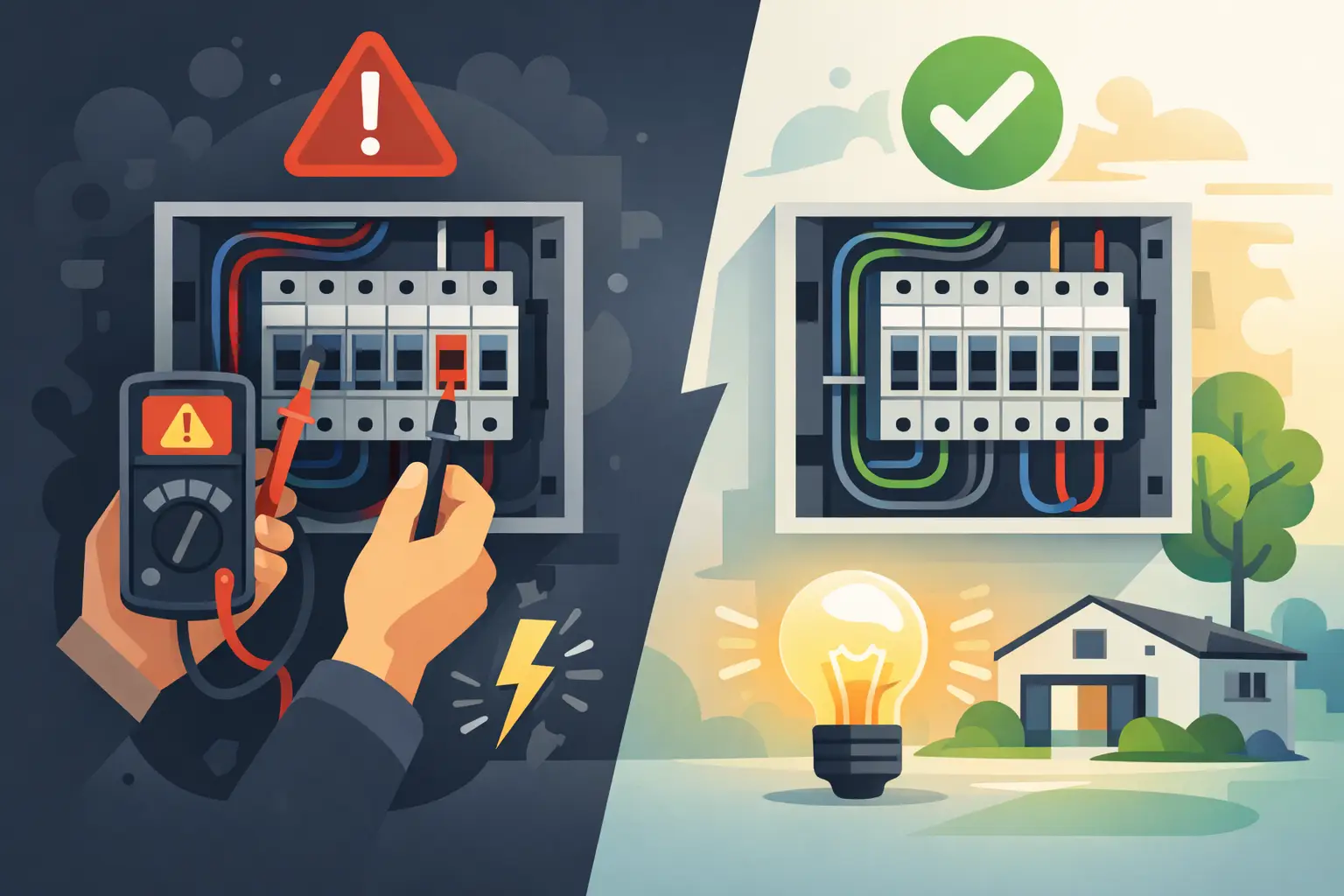
A bad electrical panel does not always fail all at once. In many homes, it starts with inconsistent performance. You may notice breakers tripping more often than they used to, especially when multiple appliances are running. One trip once in a while is not unusual. Repeated tripping, though, usually means the circuit is overloaded, the breaker is weak, or the panel is no longer handling demand the way it should.
Flickering or dimming lights are another common clue. If a single lamp flickers, the issue might be the bulb or fixture. If lights in different rooms dim when the refrigerator starts, the dryer runs, or the HVAC system cycles on, that points to a broader electrical issue that can involve the panel.
Warmth is another sign homeowners should take seriously. The front of the panel should not feel hot. A little warmth can happen under load, but noticeable heat, a burning smell, or discoloration around breakers is a red flag. That can mean loose connections, arcing, or failing components inside the panel.
You may also hear buzzing or crackling. Electrical panels should be quiet. A faint hum from some equipment can happen, but persistent buzzing from the panel itself is not something to ignore. Sound often means electricity is not moving cleanly through connections.
In some cases, the warning is visual. Rust, moisture marks, scorch marks, melted insulation, or breakers that look loose or out of place all suggest the panel needs professional attention. If a breaker will not stay reset, that also points to a problem that needs diagnosis rather than repeated flipping.
Age matters more than most homeowners think
Some panels are not bad because they are visibly damaged. They are bad because they are old, undersized, or no longer a good fit for the home.
If your house has an older panel and your electrical needs have grown over the years, the panel may be struggling even if it still technically works. Many homes were built before today’s demand for large kitchen appliances, home office equipment, entertainment systems, garage tools, and EV charging. A panel that was acceptable decades ago may now be pushed too hard on a regular basis.
Certain older panel brands and models have also developed a poor reputation for safety or reliability. That does not mean every older panel is automatically dangerous, but it does mean age and manufacturer matter. A licensed electrician can tell you whether your panel is simply old or whether it has known issues that make replacement the safer choice.
Homes in areas with extreme summer heat, heavy AC use, and years of service can also see wear sooner. In places like the Antelope Valley, high seasonal electrical demand can expose panel problems that stay hidden during milder months.
Problems that feel small but point to a larger issue
Many homeowners wait because the symptoms seem manageable. A breaker trips once a week. One room loses power occasionally. The lights dim for a second and come back. These may not feel urgent, but they often signal a panel that is under stress.
The challenge is that panel problems can overlap with wiring issues, appliance issues, or circuit design issues. That is why diagnosis matters. For example, one frequently tripping breaker might mean a single overloaded circuit. Several struggling circuits across different parts of the home can point back to the panel itself.
Another common issue is not having enough space or capacity for new needs. If you are adding an EV charger, remodeling a kitchen, replacing an HVAC system, or upgrading major appliances, the panel may no longer support the load safely. In that case, the panel may not be “bad” in the sense of being broken, but it may still be inadequate for the home.
When a bad panel becomes a safety concern
The biggest reason to act early is safety. A failing electrical panel can increase the risk of overheated wires, damaged breakers, arcing, and fire. It can also lead to unreliable power in parts of the home, which affects comfort and daily function.
You should treat the situation as urgent if you notice any of these conditions: a burning odor near the panel, visible scorch marks, repeated breaker failures, buzzing sounds, or water exposure around the panel. If the panel has been flooded, even partially, it should be inspected before normal use continues. Water and electrical equipment are a dangerous combination, and corrosion can continue causing issues after the area looks dry.
Another serious warning sign is a breaker that does not trip when it should. Homeowners usually notice the opposite problem first, but a breaker that fails to trip can be even more dangerous because it may allow overheating without proper protection.
What not to do if you suspect panel trouble
If you think the panel may be bad, avoid treating it like a DIY project. Homeowners sometimes remove the panel cover, replace breakers without testing, or keep resetting a breaker that repeatedly trips. That can make the problem worse and create a shock hazard.
It is also not a good idea to assume the fix is always a full panel replacement. Sometimes the issue is a bad breaker, a loose connection, moisture intrusion, or a load problem on a specific circuit. Other times, replacement is the right long-term answer. The right solution depends on inspection findings, panel condition, household load, and future electrical needs.
How an electrician confirms whether the panel is bad
A proper inspection goes beyond looking for obvious damage. A licensed electrician checks the panel condition, breaker performance, wiring connections, signs of overheating, grounding and bonding, moisture exposure, and whether the panel is appropriately sized for the home.
They also look at the bigger picture. If your electrical problems appear in one part of the home, the issue may be isolated. If symptoms are spread out, the panel becomes a more likely suspect. An experienced residential electrician can tell the difference between a panel that needs repair, one that should be upgraded, and one that is creating immediate safety risk.
For homeowners, that clarity matters. You want a practical answer, not guesswork. In many cases, the goal is not just to stop the current problem but to improve long-term reliability for the home.
Repair or replace? It depends on the panel
Not every panel problem means full replacement. If the panel is in generally good shape and the issue is limited to a breaker, connection, or minor defect, repair may be enough. That can be the more cost-effective option when the panel still has proper capacity and no signs of serious deterioration.
Replacement makes more sense when the panel is outdated, unsafe, overloaded, damaged by heat or moisture, or unable to support the home’s electrical use. If you are planning future upgrades, replacement can also prevent repeated service calls and patchwork solutions.
This is where homeowners benefit from a local, home-focused electrician. The right recommendation should consider your house, your usage, and whether you need a safe repair now or a better long-term upgrade.
How to know if electrical panel is bad before it fails completely
The best time to catch panel trouble is before the panel shuts down part of the home or creates a hazard. If your house has recurring electrical symptoms, if your panel is older, or if your electrical demands have changed, it is worth scheduling a professional inspection.
That is especially true before adding high-demand equipment. A new EV charger, spa, workshop equipment setup, or major appliance package can expose panel limitations quickly. An inspection gives you a clearer picture of what your system can safely handle.
At A1 Home Electric, this is exactly the kind of issue homeowners ask about when they want trusted electrical repair without unnecessary guesswork. Sometimes the answer is a repair. Sometimes it is maintenance. Sometimes it is time for an upgrade. The key is finding out before a manageable issue turns into an emergency.
If your home has been sending mixed signals lately, trust that instinct. Electrical panels usually give you warning signs before they become a bigger problem, and acting on them early is one of the smartest ways to protect your home, comfort, and peace of mind.
Leave a Reply