
Aluminum wiring repair options deserve careful attention because the concern is usually not the wire hidden inside the wall. It is the connection points – outlets, switches, light fixtures, junction boxes, and panel terminals – where aluminum can loosen, oxidize, and build heat over time. For homeowners with older homes, a proper evaluation can replace uncertainty with a clear plan for safer, more reliable electrical service.
Aluminum branch-circuit wiring was commonly installed in many U.S. homes during the late 1960s and 1970s, when copper prices were high. It can still serve a home safely when it has been correctly installed, maintained, and repaired with approved methods. The problem is that aluminum behaves differently from copper. It expands and contracts more with temperature changes, and its surface can oxidize. At an improperly matched or poorly installed connection, those characteristics may increase electrical resistance and heat.
Start With a Professional Aluminum Wiring Evaluation
Before choosing a repair, a licensed electrician should identify where aluminum wiring is present and how extensive it is. A home may have aluminum branch circuits throughout, only in certain rooms, or only on larger appliance circuits. The service panel may have copper conductors even when some branch wiring is aluminum.
An electrical inspection typically includes checking accessible outlets, switches, fixtures, junction boxes, and panel connections for warning signs. These can include discolored devices, brittle insulation, loose connections, overheating, damaged splices, or devices not rated for aluminum conductors. A qualified electrician can also determine whether earlier repairs used approved materials and methods.
Homeowners should take warning signs seriously. A warm outlet cover, flickering light, intermittent power, a buzzing switch, a burning odor, or a breaker that trips repeatedly calls for prompt electrical service. Do not keep resetting a breaker or replace a device yourself to see whether the problem goes away. The visible device may only be one point in a larger wiring issue.
Aluminum Wiring Repair Options That Make Sense
The right solution depends on the home’s wiring condition, the number of circuits involved, access to wiring, renovation plans, and budget. A dependable recommendation should explain both the immediate safety needs and the long-term value of each approach.
Complete Copper Rewiring
Replacing aluminum branch-circuit wiring with new copper wiring is the most comprehensive option. It removes the aluminum conductors from the affected circuits and provides a modern foundation for future electrical needs, including kitchen upgrades, added lighting, air conditioning equipment, and EV charger planning.
A complete rewire is often most practical during a major remodel, when walls and ceilings are already open. In a finished home, it may require strategic access points and some drywall repair. That added scope makes rewiring the higher-investment choice, but it can be the right decision for homeowners who plan to remain in the home for years or who have widespread wiring concerns.
Rewiring also creates an opportunity to address other aging electrical conditions. An electrician may find undersized circuits, outdated grounding, overloaded areas, or a panel that no longer fits the household’s needs. These issues are separate from aluminum wiring, but handling them during the same project can reduce repeat work later.
COPALUM Connector Repairs
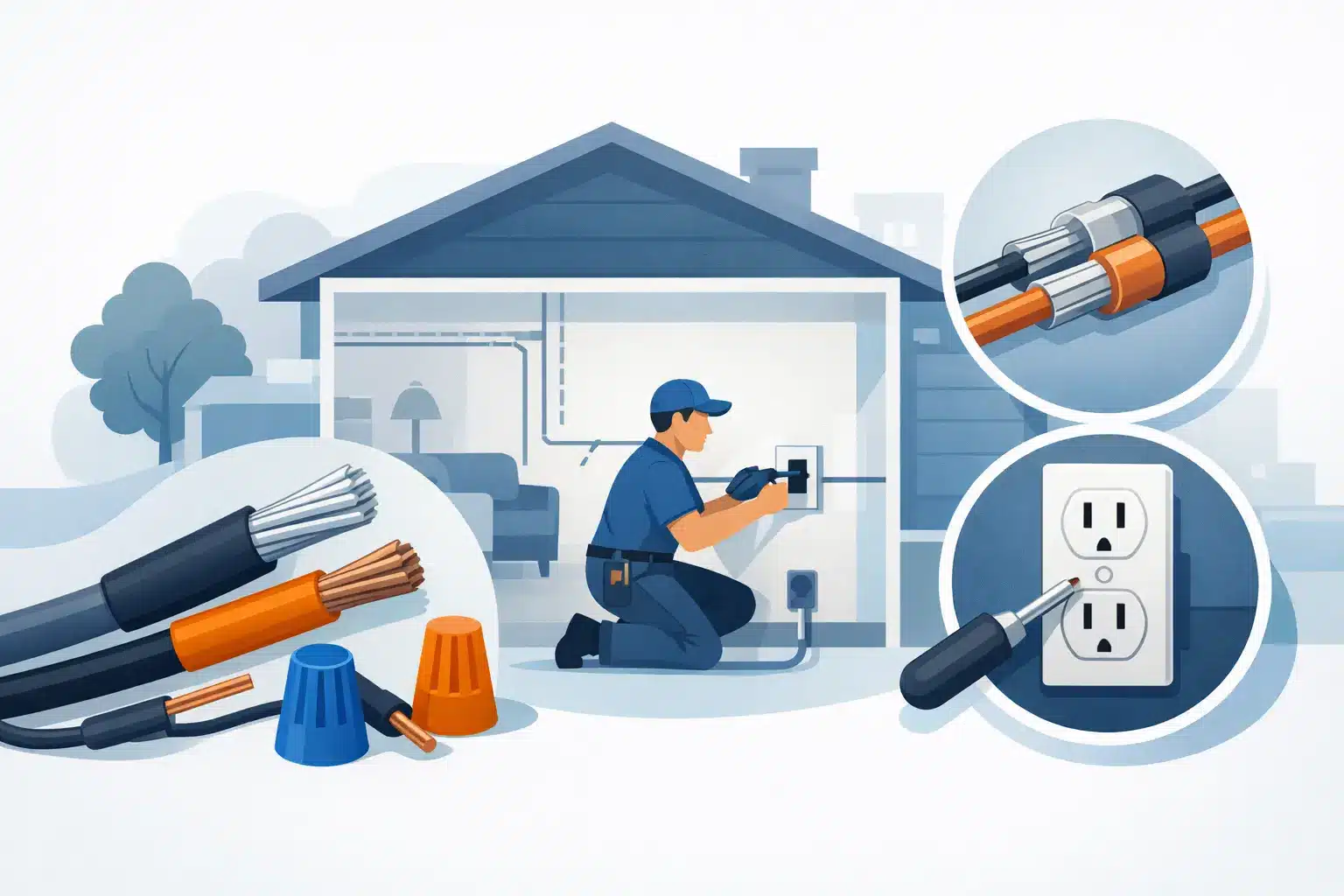
COPALUM is a specialized crimp-connector repair method used to join aluminum branch wiring to short copper leads. The copper pigtail then connects to the outlet, switch, or fixture. When installed by properly trained and equipped professionals, this method is widely regarded as a strong repair approach for aluminum-to-copper terminations.
The repair is not simply a matter of adding a wire nut. It uses a specific connector and crimping process designed for the application. The work must be completed at each affected connection point, including accessible outlets, switches, light fixtures, and junction boxes on the repaired circuits.
COPALUM repairs can offer meaningful long-term protection without opening walls for a full rewire. However, availability may be limited because the method requires specialized equipment and qualified installers. A homeowner should ask whether the electrician is authorized and equipped to perform the repair method being proposed.
AlumiConn Connector Repairs
AlumiConn connectors are another recognized option for splicing aluminum wire to copper pigtails. These connectors are installed inside properly sized, accessible electrical boxes, with each conductor secured according to the manufacturer’s instructions. The copper pigtails are then used for the final device connections.
This approach can be a practical choice when complete rewiring is not planned and a COPALUM repair is not available or is not the best fit for the project. Like any connection repair, its reliability depends on using listed components, proper conductor preparation, correct torque, and sufficient box space.
AlumiConn repairs should not be confused with ordinary twist-on connectors. Generic wire nuts are not an appropriate substitute for a listed aluminum-to-copper repair system. The materials and installation details matter because the goal is to create a stable connection that will remain dependable as the electrical system heats and cools through normal use.
CO/ALR Devices for Limited Situations
Some receptacles and switches are marked CO/ALR, meaning they are designed for use with certain aluminum wiring applications. Replacing an old device with a properly rated CO/ALR device may be appropriate in limited circumstances, but it is generally not a complete repair strategy for an entire home.
CO/ALR ratings do not address every connection in the system. Light fixtures, junction boxes, appliance connections, and other splices may still require attention. In many homes, copper pigtailing with an approved connector method provides a more complete approach than simply changing outlets and switches.
An experienced electrician can explain whether CO/ALR devices have a role in your repair plan or whether another method provides better long-term protection.
What Does Not Fix Aluminum Wiring Problems
Some upgrades improve electrical safety, but they do not repair aluminum wiring connections. Replacing a breaker panel, adding AFCI or GFCI protection, installing new light fixtures, or changing outlet covers may be valuable work, yet none of these automatically corrects loose or incompatible aluminum terminations.
Likewise, applying antioxidant compound without addressing the full connection method is not a universal solution. Certain aluminum terminations may call for specific preparations or compounds under manufacturer instructions, while other connections do not. This is why a one-size-fits-all repair can create false confidence.
Avoid temporary fixes such as repeatedly tightening a warm outlet, installing a standard replacement device, or using unlisted connectors. Electrical connections need to be evaluated and repaired with materials approved for the conductor type and application.
How to Choose the Right Repair for Your Home
The best choice often comes down to the home’s condition and your future plans. A home with a few accessible aluminum branch circuits and otherwise sound electrical equipment may be well served by a professionally completed connector repair. A home with widespread concerns, damaged wiring, frequent renovations, or major planned electrical upgrades may benefit more from copper rewiring.
Cost matters, but the lowest initial price does not always provide the best value. Ask the electrician what areas are included, which repair method will be used, whether all relevant connection points are being addressed, and whether permits or inspections are required. In California, electrical work may require permits depending on the scope, and code-conscious work helps protect both your home and its future resale appeal.
For homeowners in Palmdale, Lancaster, and nearby Antelope Valley communities, local experience also matters. Older housing can have a mix of original wiring, past additions, panel changes, and homeowner-installed modifications. A careful inspection helps separate a manageable repair from a condition that calls for a broader electrical upgrade.
Protect the Connections You Cannot See
Aluminum wiring should never be a reason for panic, but it should be a reason to act thoughtfully. A trusted electrical repair professional can identify the actual condition of the system, recommend an approved repair path, and help you make a decision based on safety, reliability, and the life you expect from your home. Addressing questionable connections now can help your family enjoy dependable power with greater peace of mind.