

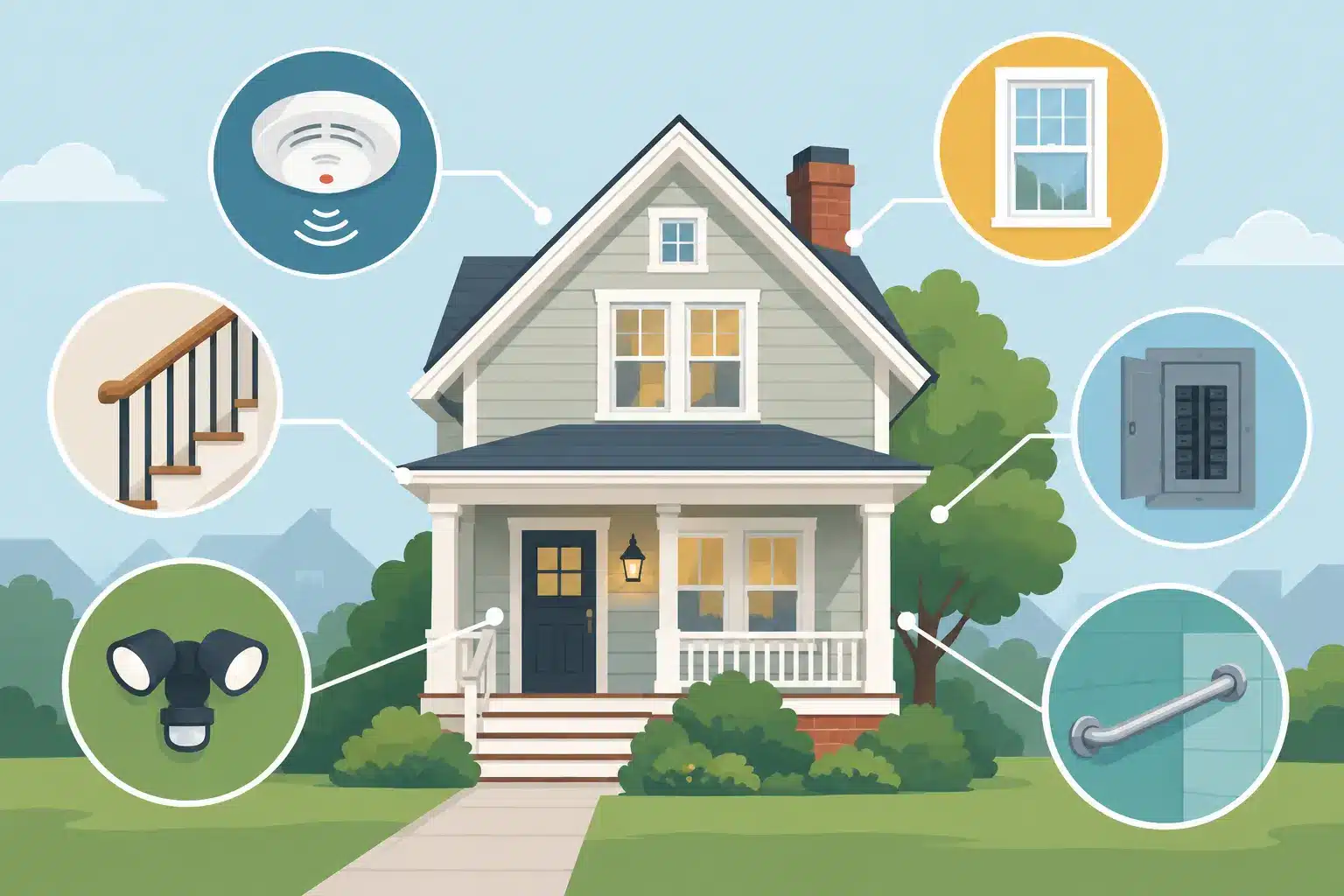
An older home can have great character, solid construction, and decades of family memories. It can also have an electrical system that was designed for a very different way of living. If you are considering the best safety upgrades for older houses, start with the systems behind the walls. A few practical improvements can reduce shock and fire risks while making daily life more reliable for your family.
The right upgrades depend on your home’s age, condition, and electrical demands. A licensed electrician can identify what needs immediate attention, what can be planned for later, and which improvements will provide the greatest safety benefit.
Start With a Professional Electrical Inspection
Before replacing outlets or adding new circuits, get a clear picture of the system you already have. A professional electrical inspection can reveal outdated wiring methods, overloaded circuits, improper repairs, loose connections, missing grounding, or equipment that no longer meets the needs of the household.
This is especially helpful for homes that have changed hands, undergone partial remodeling, or had additions built over the years. Previous work may be safe and well executed, but older homes sometimes contain a mix of wiring eras and do-it-yourself modifications. An inspection gives you a practical starting point instead of guessing where to spend your budget.
Best Safety Upgrades for Older Houses
1. Upgrade an Outdated Electrical Panel
The electrical panel manages power throughout the home. If it is undersized, damaged, overcrowded, or fitted with obsolete equipment, it may not safely support modern appliances and electronics. Common warning signs include breakers that trip often, warm panel covers, buzzing sounds, flickering lights, or the need to run extension cords because there are not enough usable outlets.
A panel upgrade can provide room for properly sized circuits, improve overload protection, and prepare the home for larger electrical needs. This may include a heat pump, air conditioning equipment, a workshop circuit, solar equipment, or an EV charger. A panel replacement is not needed in every older home, but it is often the right solution when the existing panel is no longer dependable.
2. Add GFCI Protection Where Water Is Present
Ground-fault circuit interrupter, or GFCI, protection is designed to shut off power quickly when it detects a ground fault. It is one of the most valuable upgrades for outlets near water, including those in bathrooms, kitchens, garages, laundry areas, crawl spaces, and outdoor locations.
Older homes may have standard outlets in areas where GFCI protection is now expected. A GFCI outlet or breaker can help protect people from electrical shock, but it must be installed and tested correctly. If a GFCI trips repeatedly, do not simply reset it and move on. Repeated tripping can point to a damaged appliance, moisture issue, wiring problem, or overloaded circuit that needs expert electrical repair.
3. Install AFCI Protection for Arc Faults
Arc-fault circuit interrupter, or AFCI, protection addresses a different kind of hazard. It is designed to detect dangerous arcing conditions that can occur when wires, cords, switches, or connections are damaged or loose. These faults can create heat inside walls or at connection points before a standard breaker recognizes a problem.
AFCI protection is often added through breakers at the electrical panel. It can be particularly worthwhile in older homes with aging branch wiring, rooms with heavy use of power strips, or bedrooms and living areas where cords and devices are frequently plugged in. An electrician can determine where AFCI protection is appropriate and whether the existing wiring is compatible with the upgrade.
4. Replace Ungrounded and Worn-Out Outlets
Two-slot outlets are common in older houses and usually indicate that the circuit does not have an equipment grounding path. They may still provide power, but they are not well suited for many modern devices. Loose outlets, cracked covers, discoloration, sparks, or plugs that fall out easily also deserve prompt attention.
The best repair is often to install properly grounded wiring and modern three-prong receptacles. Where rewiring is not immediately practical, there may be code-conscious options involving GFCI protection and proper labeling. The right answer depends on the circuit, so avoid replacing a two-slot outlet with an ungrounded three-slot outlet just to make plugs fit. That can create a false sense of protection.
5. Update Old or Damaged Wiring
Some older wiring systems need special attention because of their materials, age, or installation method. Brittle insulation, exposed splices, cloth-covered wiring, deteriorated cords, and rodent-damaged conductors can all raise fire risk. Aluminum branch-circuit wiring in certain homes also requires an informed evaluation because improper connections can overheat.
A full-home rewire is a major project and is not always necessary. In some cases, targeted rewiring of a kitchen, addition, garage, or heavily used area makes the most sense. In others, a more comprehensive upgrade is the safest long-term choice. A careful assessment helps homeowners balance immediate safety needs with the scope of the work.
6. Add Dedicated Circuits for High-Demand Equipment
Modern kitchens, laundry rooms, garages, and home offices often place far more demand on electrical circuits than they did decades ago. Microwaves, air fryers, portable heaters, refrigerators, washing machines, computers, and garage tools can overload circuits that were never intended to support them all at once.
Dedicated circuits give major appliances and high-demand equipment their own protected electrical path. This reduces nuisance breaker trips and helps prevent overheated wiring. Portable space heaters deserve particular caution. They draw significant power and should be plugged directly into a suitable wall outlet, never into an extension cord or overloaded power strip.
7. Improve Smoke and Carbon Monoxide Alarm Coverage
Smoke alarms and carbon monoxide alarms are simple devices, but they remain essential for family safety. Older homes may have battery-only units, missing alarms, expired sensors, or alarms that are not interconnected. When interconnected alarms are installed, one activated alarm can alert the entire home.
Placement matters as much as having the devices themselves. Homes should have alarms in appropriate sleeping areas and on each level, based on current requirements and the home’s layout. Hardwired alarms with battery backup can offer dependable protection, especially when installed as part of an electrical upgrade or remodel.
8. Repair Outdoor Electrical Hazards
The Antelope Valley’s heat, wind, dust, and occasional rain can be hard on exterior electrical equipment. Damaged weather covers, exposed wiring, corroded outlets, loose exterior light fixtures, and aging landscape connections should not be ignored. Outdoor receptacles should have suitable weather-resistant components and protective covers.
Exterior lighting is also a practical safety upgrade. Well-placed lighting at entrances, walkways, side yards, and garages improves visibility for family members and guests. Motion-sensor lighting can be useful in darker areas, but it should be installed to provide useful illumination without creating glare for neighbors or drivers.
9. Use Whole-Home Surge Protection
A power surge can come from utility events, nearby electrical activity, or large appliances cycling on and off inside the home. Plug-in surge strips can help protect individual electronics, but they do not protect every circuit or appliance. Whole-home surge protection is installed at or near the panel and adds another layer of defense for sensitive equipment.
This upgrade can be a sensible addition when replacing a panel, installing an EV charger, or updating expensive appliances. It does not eliminate every electrical risk, and it should not be viewed as a substitute for sound wiring and grounding. It is most effective as part of an overall electrical safety plan.
10. Plan Electrical Upgrades Before Adding an EV Charger
An EV charger is a valuable home improvement, but it should be installed on a properly sized dedicated circuit. In an older home, the existing panel and electrical service may need an evaluation before charging equipment is added. Installing a charger without confirming capacity can overload a system that is already working near its limit.
A licensed electrician can review your home’s service size, current electrical loads, panel space, and charging goals. That planning protects the home while helping ensure that the charger performs reliably when you need it.
Do Not Wait for a Clear Warning Sign
Electrical problems do not always announce themselves with sparks or a complete power outage. A burning smell, warm switch plate, buzzing outlet, recurring breaker trip, flickering lights, or mild tingling sensation from an appliance should be taken seriously. Turn off power to the affected area if it is safe to do so, avoid using the equipment, and arrange for a qualified electrician to inspect it.
For homeowners in Palmdale, Lancaster, and nearby Antelope Valley communities, local heat can also expose electrical weaknesses when air conditioning and other major loads run for long periods. Preventive maintenance and timely repairs can help keep a small issue from becoming a disruptive or dangerous one.
A safer older home does not require replacing everything at once. Begin with an inspection, address active hazards promptly, and make a sensible plan for the improvements that will protect your household for years to come.