
A power outage changes a home quickly. The air conditioner stops, food begins warming in the refrigerator, garage access may be limited, and medical equipment or home office equipment may lose power. For Antelope Valley homeowners, emergency power options are not just about convenience. They can protect comfort, food, communication, and the safe operation of essential household systems.
The right solution depends on how long outages typically last, what you need to keep running, and whether you want temporary backup power or an automatic whole-home system. A licensed electrician can help you make that decision with your existing electrical panel, circuits, and household needs in mind.
Emergency Power Options for Your Home
Most residential backup plans fall into three categories: portable generators, standby generators, and battery backup systems. Each has a place, but they offer very different levels of capacity, convenience, and installation requirements.
A small portable power station can also be useful for charging phones, running a modem, powering lights, or supporting a few low-wattage devices. It is not a replacement for a generator or a properly sized battery system, but it can be a practical part of a layered emergency plan.
Portable Generators
A portable generator is often the most accessible backup option. It can power selected appliances and circuits during an outage, including a refrigerator, freezer, lights, internet equipment, or a small window air conditioner, depending on the generator’s output.
Portable generators require hands-on operation. You need to bring the unit outside, add fuel when necessary, start it, and connect it safely. They should never run in a garage, carport, shed, or near doors, windows, or vents. Carbon monoxide is odorless and dangerous, so outdoor placement with adequate clearance is essential.
The safest way to connect a portable generator to home circuits is through a professionally installed transfer switch or generator interlock. This equipment prevents utility power and generator power from feeding the panel at the same time. It also helps prevent dangerous backfeeding, which can put utility workers, neighbors, and your home’s electrical system at risk.
Running extension cords directly from a generator can work for a few appliances, but it becomes inconvenient quickly. Cords can create trip hazards, limit what you can power, and may not be rated for the electrical load or outdoor conditions. A transfer switch provides a cleaner, more dependable setup for homeowners who expect to use a portable generator more than occasionally.
Standby Generators
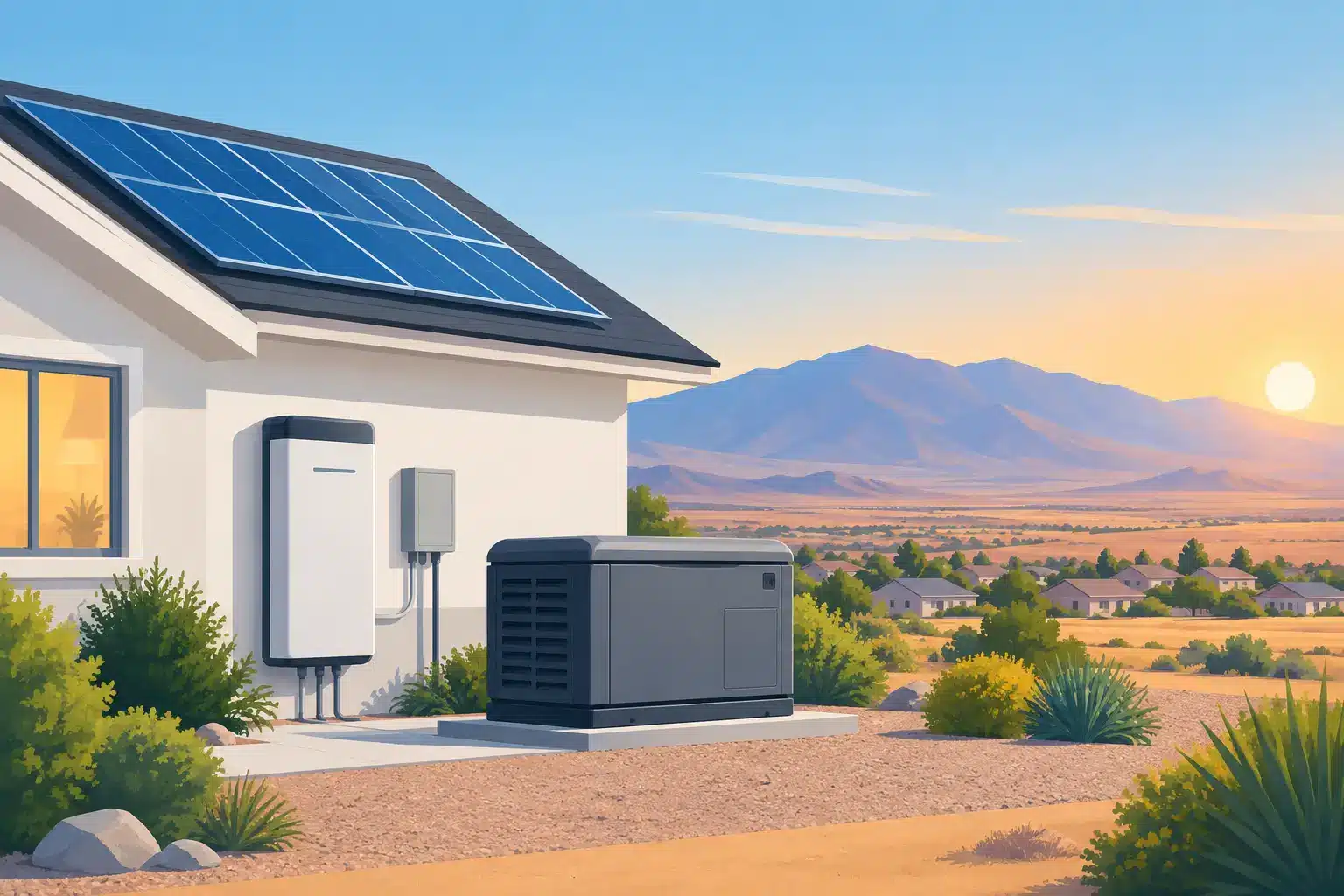
A standby generator is permanently installed outside the home and connected to a fuel source, typically natural gas or propane. When utility power fails, an automatic transfer switch detects the outage and starts the generator. Depending on the system design, it can power a group of essential circuits or much of the entire house.
For families who want dependable backup without carrying equipment outside or managing fuel cans, a standby generator is often the strongest option. It can keep refrigeration, lighting, outlets, internet equipment, security systems, and selected heating or cooling equipment operating through an extended outage.
The trade-off is cost and planning. A standby generator needs appropriate sizing, electrical installation, permitting, and coordination with fuel supply requirements. Large electrical loads such as central air conditioning, electric heat, electric ranges, dryers, and EV chargers can significantly affect generator size. In many homes, it makes more sense to prioritize essential loads than to size a system for every circuit.
Home Battery Backup Systems
Battery backup systems store electricity for use during an outage. They operate quietly, turn on automatically, and do not produce exhaust. A battery can support essential circuits such as refrigeration, lights, Wi-Fi, medical devices, garage door openers, and electronics, depending on its capacity and the home’s energy use.
Batteries are particularly useful for short outages and for homeowners who value quiet operation. When paired with solar panels, they may recharge during daylight hours, although output and recharge time depend on weather, system design, battery capacity, and household demand.
The main limitation is runtime. A battery’s stored energy is finite, and high-demand appliances can drain it quickly. Central air conditioning, electric water heating, ovens, and large electric vehicle charging loads use far more power than lights and electronics. A battery system can be an excellent backup solution, but it needs to be sized around realistic expectations rather than a promise of unlimited whole-home power.
Start With the Circuits That Matter Most
Before choosing equipment, decide what your home truly needs to operate safely during an outage. This step prevents overspending on capacity you may never use while avoiding a system too small to be useful.
For many households, essential power includes:
- Refrigerator and freezer circuits
- A few lighting circuits and bedroom or living room outlets
- Internet modem, router, and phone charging
- Garage door opener and security equipment
- Medical devices or other critical personal equipment
- A furnace blower, selected cooling equipment, or well pump when applicable
Your priorities may be different. A household with a sump pump, home-based work, temperature-sensitive medications, or mobility equipment may need a more specific backup plan. If you rely on electrically powered medical equipment, discuss backup needs with your healthcare provider and make sure you have a plan for outages that outlast your equipment’s battery capacity.
Your Electrical Panel May Need Attention First
Backup power equipment only works as well as the electrical system it connects to. An older, overcrowded, damaged, or undersized electrical panel may need repair or an upgrade before a generator transfer switch or battery backup system can be installed correctly.
A professional electrical evaluation can identify whether there is room for new equipment, whether circuits are clearly labeled, and whether your home has grounding and bonding issues that should be addressed. It also allows the electrician to calculate expected loads and recommend which circuits should move to an essential-loads panel.
This is especially valuable in older homes where previous additions, garage conversions, or DIY work have changed how the electrical system is being used. Backup power is not the time to discover that a panel has loose connections, overheating breakers, or circuits that do not match their labels.
Avoid the Most Common Backup Power Mistakes
The most serious mistake is connecting a generator to a dryer outlet, range outlet, or other household receptacle without approved transfer equipment. This practice can energize utility lines and create a severe shock and fire hazard. It can also damage appliances when power returns.
Another common problem is selecting a generator based only on its largest wattage number. Starting power and running power are different, especially for motors in refrigerators, pumps, and air conditioning equipment. A proper load calculation accounts for those demands and helps prevent overloaded circuits or repeated generator shutdowns.
Fuel planning matters as well. Portable generators need properly stored fuel, and gasoline has a limited storage life. Standby systems reduce this concern when connected to natural gas, while propane systems need adequate tank capacity. Battery owners should understand how long their selected loads can run before stored energy is depleted.
Finally, do not overlook maintenance. Generators require periodic testing, oil changes, battery checks, and fuel-system service. Backup batteries also benefit from regular status checks and professional inspection when recommended by the manufacturer. Equipment that has not been tested may not perform as expected when you need it most.
Choosing the Right Level of Protection
A portable generator with a transfer switch may be the right fit for a homeowner who wants affordable backup for a refrigerator, lights, and critical outlets. A battery system may suit a household that prefers quiet, automatic power for shorter outages. A standby generator may be worth the investment when extended outages, essential medical needs, or whole-home comfort are the priority.
There is no single best answer for every property. The practical choice is the one that safely supports your household’s most important needs and fits the capacity of your electrical system. A1 Home Electric can help homeowners evaluate essential circuits, panel readiness, and safe installation options before the next outage puts those decisions under pressure.
A thoughtful backup power plan gives you more than electricity when the grid goes down. It gives your household a clear, safe way to keep the essentials running while you wait for normal service to return.