

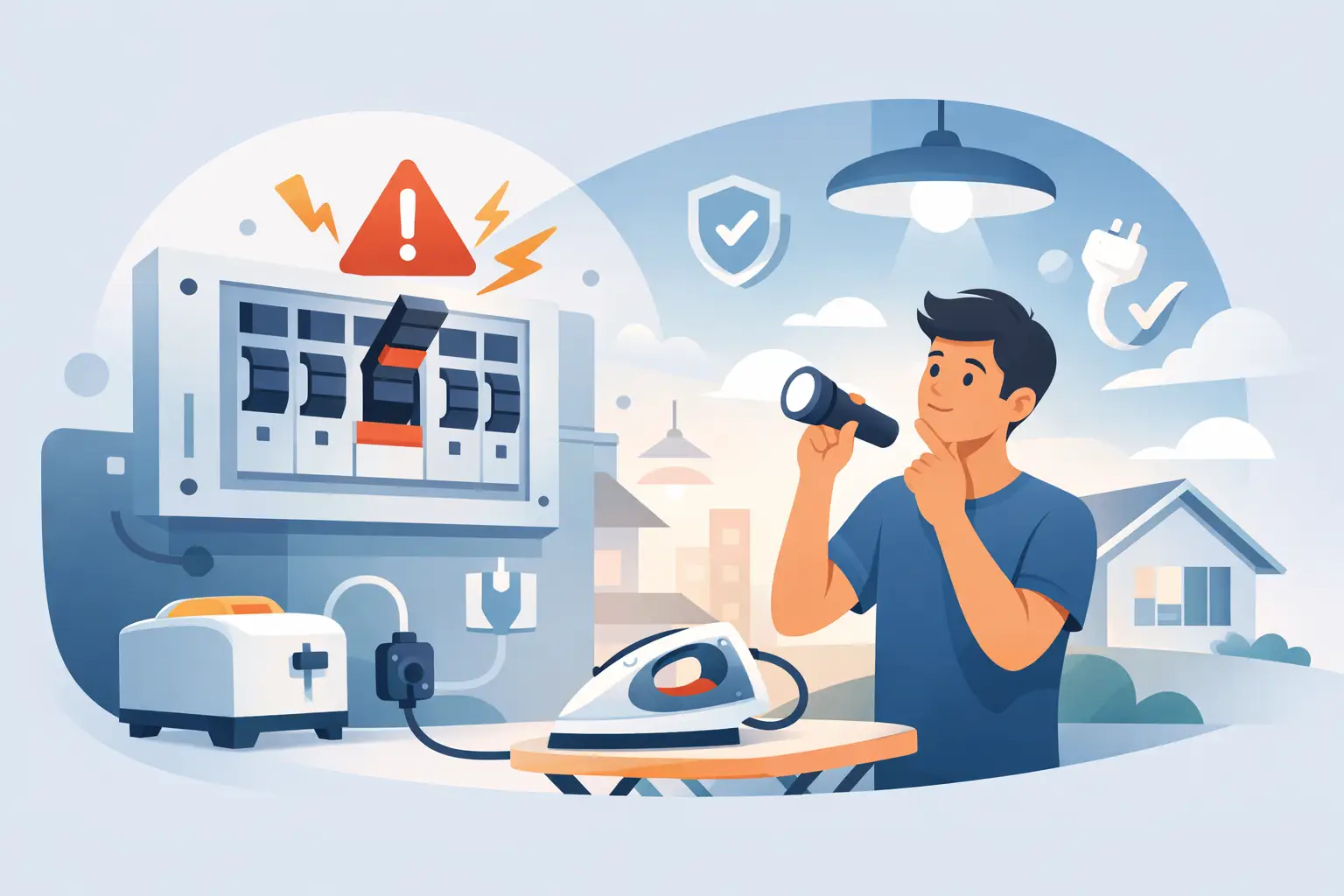
A breaker that trips once during a storm or while running too many devices may not seem like a big deal. But when it keeps happening, it is usually your electrical system telling you something is wrong. If you are wondering how to prevent breaker trips, the answer starts with understanding whether the problem is simple overload, a failing appliance, or a larger issue inside the panel or wiring.
For homeowners, the goal is not just getting the power back on. It is keeping the home safe, protecting appliances, and avoiding the kind of electrical wear that turns into a bigger repair later. Some causes are easy to correct with better everyday habits. Others need a licensed electrician to inspect the circuit and make repairs safely.
Why breakers trip in the first place
A circuit breaker is a safety device. It shuts power off when a circuit pulls more current than it should, when there is a short circuit, or when a ground fault creates a dangerous condition. In other words, the breaker is not the problem most of the time. It is doing its job.
That is why repeated trips should never be ignored or treated like a nuisance. Resetting the breaker without addressing the cause can put more stress on wiring, outlets, and connected equipment. A one-time trip can happen. A pattern usually means something needs attention.
In many homes, the most common trigger is overload. This happens when too many items are running on the same circuit at once, such as a microwave, toaster oven, and coffee maker sharing kitchen outlets. Space heaters, hair dryers, portable AC units, and garage equipment can create the same problem quickly.
How to prevent breaker trips from overloads
If you want to know how to prevent breaker trips in day-to-day use, start by looking at what is plugged in and what is running at the same time. Many nuisance trips are caused by normal household habits rather than major electrical failure.
High-demand appliances should have room to operate without competing with other loads on the same circuit. If the breaker trips every time someone uses a bathroom hair dryer while a bedroom heater is on, that points to a capacity issue on that branch circuit. The fix may be as simple as moving one appliance to a different outlet on a different circuit. In other cases, the home may need a dedicated circuit added.
It also helps to be careful with power strips and extension cords. They can make one outlet serve many devices, but they do not increase the circuit’s actual capacity. This is a common issue in home offices, entertainment setups, and garages where extra equipment gets added over time.
A good rule is to pay attention to patterns. If trips happen during morning routines, meal prep, or summer cooling, think about which equipment is running together. Spacing out use can reduce the load immediately while you decide whether the circuit setup still fits the way your household lives now.
Watch for appliance-related problems
Sometimes the circuit is not overloaded at all. One appliance may be drawing too much power because it is failing internally. Older refrigerators, microwaves, disposal units, and HVAC components can cause intermittent trips that look random at first.
This is where a little observation goes a long way. If the breaker only trips when one specific device starts up, stops, or runs for a few minutes, that appliance deserves a closer look. You might notice dimming lights, unusual buzzing, a burning smell, or warm cords and plugs. Those are signs to stop using the equipment until it can be checked.
There is a trade-off here. Replacing an appliance too soon can be unnecessary, but continuing to use one that is causing electrical stress is not worth the risk. If the same breaker trips whenever one item is used, it is smart to have both the appliance and the circuit evaluated.
Older panels and worn breakers can be part of the issue
Not every trip means the wiring is overloaded. In some homes, especially older ones, the breaker itself may be worn out or the panel may no longer match the home’s electrical demands.
Breakers do not last forever. Over time, heat, age, and repeated tripping can weaken them. A breaker that trips too easily, feels loose, or does not reset cleanly may be failing. Panels can also develop issues with bus bars, connections, or corrosion that interfere with reliable performance.
This is especially relevant in homes that have added major electrical loads over the years. EV chargers, updated kitchen equipment, workshop tools, and larger HVAC systems can put more pressure on a panel than the house was originally designed to handle. If trips have become more common after a remodel or equipment upgrade, the problem may be capacity rather than a single bad circuit.
Check for warning signs beyond the breaker
Breaker trips often come with other clues. Homeowners should take notice if outlets feel warm, switches buzz, lights flicker on one side of the home, or certain rooms lose power more often than others. These symptoms can point to loose connections, damaged wiring, or failing devices on the circuit.
Outdoor and garage circuits deserve extra attention. Moisture, heat, dust, and heavy equipment use can all contribute to electrical wear. In the Antelope Valley, seasonal temperature swings can also put extra strain on cooling equipment and the circuits that support it. If breaker trips seem worse during hot weather, your electrical system may be revealing a load issue that only shows up under peak demand.
One important note: if a breaker trips immediately after resetting, leave it off. That can indicate a short circuit or ground fault, and repeatedly forcing it back on is unsafe.
When simple fixes are enough and when they are not
There are times when homeowner action is appropriate. Reducing what runs on one circuit, unplugging a questionable appliance, or replacing a damaged extension cord can solve a straightforward issue. These are practical first steps, and they often help identify whether the problem is usage-related or something deeper.
But there is a limit to safe troubleshooting. If you do not know which outlets belong to which breaker, if the panel is unlabeled, or if the breaker trips with no clear pattern, that is a good point to bring in a professional. The same goes for any signs of overheating, panel age concerns, or recurring trips tied to major appliances.
Electrical problems are not always visible. A circuit can look normal from the outside while a loose connection is building heat behind the wall. That is why repeated trips should be treated as a safety issue, not just a convenience issue.
Professional solutions that help prevent future breaker trips
A licensed electrician can do more than reset the system and move on. A proper inspection can identify whether the issue is an overloaded branch circuit, a failing breaker, damaged wiring, a bad receptacle, or a panel that needs updating.
In some homes, the best solution is very targeted. Adding a dedicated circuit for a microwave, garage freezer, workshop equipment, or EV charger can stop repeated overloads and improve overall reliability. In others, panel repairs or a full panel upgrade make more sense, especially when the home’s electrical demands have outgrown the original setup.
This is also where experience matters. Residential electrical systems are full of small variables, including past repairs, additions, aging materials, and code changes. A calm, methodical inspection saves time and helps prevent guesswork.
For homeowners in Palmdale, Lancaster, and nearby communities, local conditions matter too. Heat-driven appliance use, older housing stock in some neighborhoods, and years of added electrical demand all affect how often breaker problems show up.
Practical habits that reduce electrical stress
Preventing breaker trips is partly about repairs and partly about routine habits. Spread out high-wattage appliance use when possible. Be cautious with portable heaters and window AC units. Avoid relying on extension cords as a permanent solution. Replace outlets or cords that show wear. And if your panel labels are unclear, have them updated so you know what each circuit serves.
It also helps to think ahead. If you are planning a remodel, adding a garage workspace, or installing an EV charger, consider the electrical load before problems start. Preventative upgrades are usually easier and safer than reacting after repeated trips begin.
A reliable electrical system should support your household without constant interruptions. When breakers trip, they are giving you useful information. Paying attention early is one of the best ways to protect your home, your appliances, and your peace of mind.
If a breaker in your home keeps tripping, take it as a sign worth addressing now rather than later. The safest fix is the one that solves the actual cause and keeps the problem from coming back.