
A lightning strike is not the only reason electronics fail after a power event. A utility switching event, a nearby fault, or even a large appliance cycling on can send a brief voltage spike through a home’s wiring. So, is whole house surge protection worth it? For many homeowners, especially those with newer appliances and connected equipment, it is a practical layer of protection that can prevent a costly problem before it starts.
Whole-home surge protection is not a replacement for good wiring, a properly maintained electrical panel, or point-of-use surge strips. It works alongside them. The goal is simple: stop or reduce damaging excess voltage at the electrical panel before it travels deeper into the home.
What Whole-House Surge Protection Does
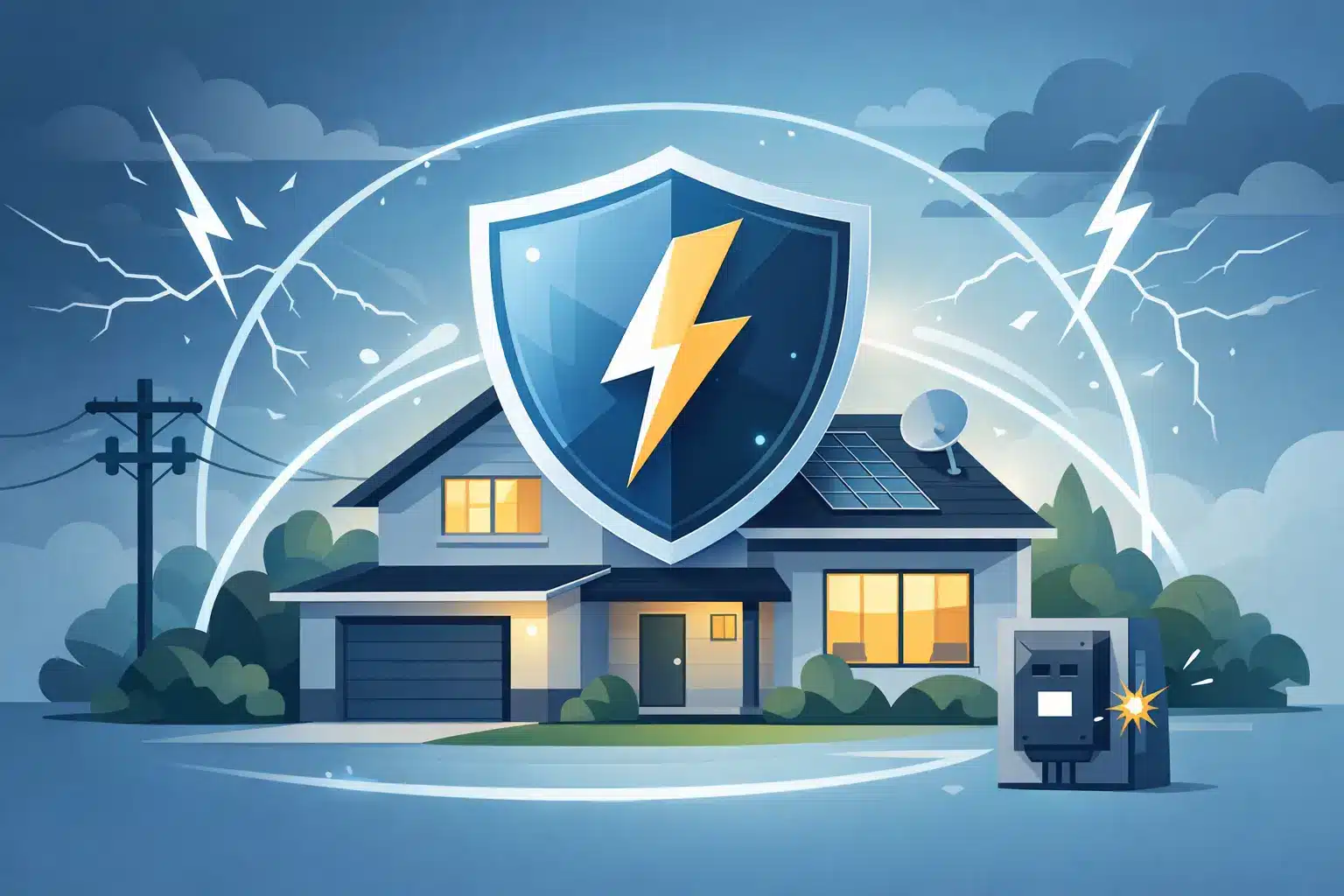
A whole-house surge protective device, often called an SPD, is installed at or near the main electrical panel. Under normal conditions, it stays in the background. When voltage rises above a safe threshold, the device redirects much of that excess energy to the grounding system.
That response happens in a fraction of a second. It does not mean every electronic device is guaranteed to survive every possible event. A direct lightning strike or an unusually severe surge can overwhelm almost any protection system. Still, a properly selected and installed SPD can substantially reduce the risk from the more common surges that occur on utility lines and inside the home.
This matters because many modern household systems contain sensitive circuit boards. Refrigerators, ranges, HVAC equipment, garage door openers, televisions, computers, washers, dryers, smart thermostats, security systems, and EV chargers all depend on electronic controls. A surge may cause an immediate failure, but it can also create damage that shortens equipment life over time.
Is Whole House Surge Protection Worth It in Your Home?
The value depends on what is connected to your electrical system, the condition of your panel, and the type of power events your home experiences. For a home with a few basic appliances and little electronic equipment, the financial case may be less urgent. For most households, however, replacing even one appliance control board can cost more than adding panel-level surge protection during a planned electrical service visit.
It is particularly worth considering when you are already investing in electrical work. A panel upgrade, electrical inspection, HVAC replacement, solar-related work, or EV charger installation gives a licensed electrician an opportunity to assess whether surge protection can be added safely and correctly. Adding it at that point is often more efficient than scheduling a separate project later.
Homes in Palmdale, Lancaster, and nearby Antelope Valley communities can also experience weather extremes that place a steady demand on HVAC systems and other equipment. Surge protection does not address heat, age, or mechanical wear, but it helps protect the electronic components that keep those systems operating as intended.
The Cost of Protection Compared With the Cost of Damage
Homeowners sometimes picture surge protection as another optional electrical add-on. A better way to look at it is as risk management for equipment you already own.
A single damaged control board in an air conditioner, refrigerator, or high-efficiency appliance may require a service call, diagnostic work, parts, and labor. Damaged electronics can mean lost work time, spoiled food, interrupted heating or cooling, or a garage door that will not operate when you need it. Those inconveniences are difficult to predict, but they are familiar to anyone who has dealt with an unexpected electrical issue.
The installed cost of a whole-home SPD varies. It depends on the electrical panel, available space, product rating, necessary panel repairs, and whether the home’s grounding and bonding need attention. A trustworthy electrician should explain the condition of the system, recommend an appropriate option, and provide clear pricing rather than treating every home as identical.
There is a trade-off to keep in mind. Surge protectors do not last forever. Their protective components can wear down as they absorb surge events, and some units include status indicators that show when replacement is needed. Think of the device as a working safety component, not a permanent one-time purchase.
What It Will Not Protect Against
Whole-house surge protection is valuable, but it should not be oversold. It cannot correct underlying electrical defects, prevent outages, or keep a home powered during a blackout. If lights flicker, breakers trip, outlets feel warm, or you notice burning odors, those symptoms need prompt professional diagnosis. An SPD is not a repair for loose connections, overloaded circuits, or panel problems.
It also does not replace local surge protection for highly sensitive or valuable equipment. A quality plug-in surge protector at a computer workstation, entertainment center, or networking cabinet adds another layer of defense. The whole-home device handles the incoming surge first, while the point-of-use device helps reduce what remains near the equipment.
For the best results, protection should be layered: a properly grounded electrical system, a panel-level SPD, and point-of-use protection where it makes sense. That approach is more dependable than relying on a power strip alone.
Why Installation Quality Matters
A surge protective device is only as effective as the installation behind it. It must be compatible with the panel and installed according to the manufacturer’s instructions and applicable electrical code. The wiring path and connection length matter because excess length can reduce performance during a fast-moving surge event.
Grounding and bonding also deserve attention. Surge energy needs a safe route away from the electrical system. If grounding components are damaged, outdated, improperly connected, or incomplete, the electrician may recommend repairs before or during the installation.
This is one reason whole-house surge protection is not a good do-it-yourself panel project. Working inside a service panel presents shock and arc hazards, even when a main breaker is turned off. A licensed electrician can evaluate the panel, verify capacity and condition, select the right device, and confirm that the installation supports the protection you are paying for.
When to Prioritize a Surge Protector
Some situations make the decision more straightforward. Consider whole-house surge protection sooner rather than later if you have recently installed an EV charger, replaced major appliances, upgraded HVAC equipment, added solar equipment, or rely on smart-home systems. The more electronics a home depends on, the more a single voltage event can disrupt daily life.
It is also a sensible upgrade for homes with aging panels or electrical systems, but only after an inspection confirms the panel is safe to receive the device. Older equipment may have limited space, corrosion, damaged components, or other concerns that should be addressed first. In those cases, the best answer may be a repair or panel upgrade that improves both safety and reliability.
If you have experienced repeated appliance board failures, unexplained electronic problems after outages, or nearby lightning activity, ask an electrician to assess the full electrical system. The cause is not always a surge, and accurate diagnosis matters more than guessing.
A Practical Decision for Long-Term Home Protection
Whole-house surge protection is rarely the most visible home upgrade. It does not change the look of a room or add a feature you use every day. Its value is quieter: helping the electrical system protect the appliances, comfort systems, and electronics your household already relies on.
For homeowners who want a sensible safeguard against unpredictable voltage events, it is usually a worthwhile investment when paired with a safe panel and sound grounding. A qualified electrical inspection can tell you whether your home is ready for the upgrade and whether another repair should come first. That small conversation can help protect the equipment that keeps your home comfortable, connected, and ready for the next season.