

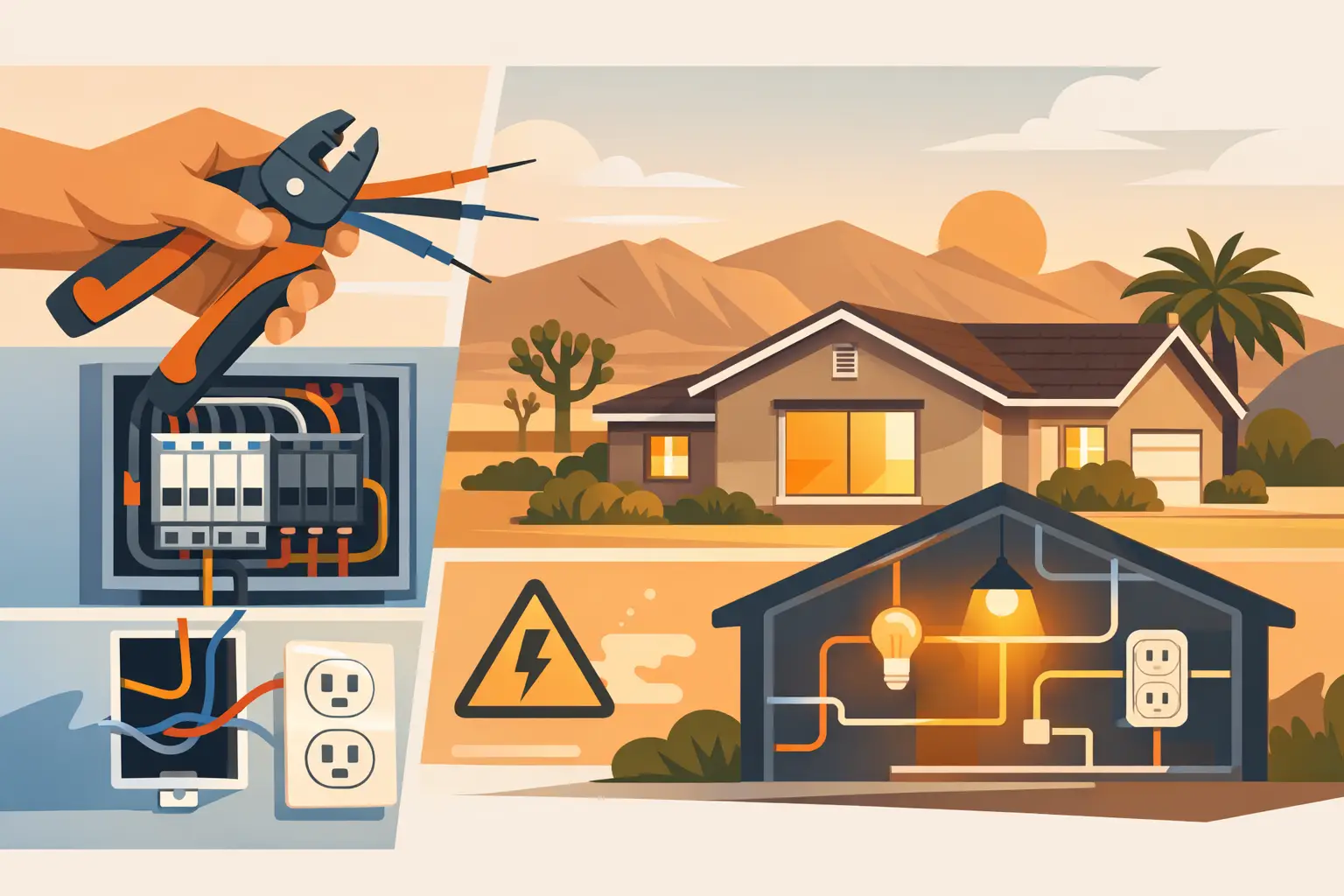
A home can appear to be working normally while its electrical system is under more strain than it was ever designed to handle. Lake Los Angeles home rewiring is often considered when homeowners begin noticing recurring electrical problems, move into an older property, or plan improvements that demand more power. Rewiring is not simply about replacing old wires. It is about making the home safer, more dependable, and better prepared for everyday living.
Why Older Electrical Systems Need Attention
Many homes in the Antelope Valley were built before families depended on as many electronics, kitchen appliances, HVAC components, and charging devices as they do now. A system that once supported a few lights, outlets, and basic appliances may now be asked to power large televisions, home offices, microwaves, air conditioning equipment, laundry appliances, and garage tools at the same time.
Age alone does not automatically mean a house needs complete rewiring. Some older homes have been maintained and upgraded over the years. Others still have outdated wiring methods, worn insulation, undersized circuits, loose connections, or insufficient grounding. The condition of the system matters more than the date on the home listing.
Electrical issues also tend to become more noticeable during periods of heavier use. In Lake Los Angeles, hot weather can place added demand on cooling equipment and household circuits. If lights flicker when the air conditioner starts, breakers trip regularly, or outlets feel warm, the electrical system deserves a professional evaluation rather than a temporary workaround.
Signs It May Be Time for Home Rewiring
A single tripped breaker does not necessarily point to a whole-home wiring problem. It may simply mean one circuit is overloaded. Repeated issues, however, can indicate that the wiring, panel, outlets, or circuit layout no longer serves the home safely.
Homeowners should schedule an electrical inspection when they notice several of these concerns:
- Breakers trip frequently or fuses blow repeatedly.
- Lights dim, flicker, or brighten unexpectedly.
- Outlets, switches, or electrical panels feel warm to the touch.
- There is a burning odor, buzzing sound, discoloration, or sparking near electrical components.
- The home relies heavily on extension cords and power strips because there are too few outlets.
- Two-prong outlets, ungrounded circuits, or visibly aging wiring are still present.
These warning signs do not always mean that every wire in the house needs replacement. A licensed electrician can determine whether the right solution is targeted electrical repair, added circuits, an outlet upgrade, panel work, or a more complete rewiring project. That distinction protects homeowners from both under-repairing a serious problem and paying for work that is not necessary.
What Lake Los Angeles Home Rewiring Can Include
A rewiring project should be tailored to the house and the homeowner’s plans. In some cases, the work is limited to a problem area, a room addition, or circuits serving major appliances. In other cases, aging or unsafe wiring throughout the home calls for a broader upgrade.
A typical project may involve replacing outdated branch wiring, installing properly grounded outlets, upgrading switches and junction boxes, and adding circuits where modern electrical demand requires them. Kitchens, bathrooms, garages, laundry areas, outdoor spaces, and bedrooms may need specific protection or updated outlet placement based on current requirements and household use.
The electrical panel is another key part of the conversation. New wiring cannot deliver its full benefit if the panel is outdated, overloaded, damaged, or too small for the home’s electrical needs. Panel upgrades are not required with every rewiring job, but they are often worth evaluating together. A properly sized, organized panel helps make future repairs, appliance additions, and inspections easier.
Homeowners planning an electric vehicle charger, workshop equipment, a remodeled kitchen, or a room addition should consider their electrical capacity early. Completing electrical work before walls are closed or finishes are installed is generally less disruptive and can prevent expensive changes later.
Safety Is the Main Reason to Act
Electrical problems are easy to ignore when they seem minor. A breaker can be reset. A loose outlet can be avoided. A power strip can make up for a lack of receptacles. Those short-term habits can mask a system that needs attention.
Damaged wiring and poor connections can create shock and fire risks, especially when circuits are overloaded or protective devices are not functioning as intended. Rewiring gives an electrician the opportunity to correct hidden issues behind walls, improve grounding, update protective devices, and make sure circuits are properly matched to their intended load.
It also improves daily peace of mind. Homeowners should be able to run essential appliances without wondering whether a breaker will trip or whether an outlet is safe to use. Quality electrical work is largely invisible once the project is complete, but its value shows up every day in dependable lighting, stable power, and a home that is safer for the people living in it.
What to Expect During a Rewiring Project
The first step should be a careful assessment of the existing electrical system. An electrician will look at the panel, visible wiring, outlets, switches, grounding, and the home’s power demands. They will also ask about future plans, such as adding an EV charger, converting a garage, installing new appliances, or remodeling.
From there, the scope of work can be defined. A clear plan should explain what needs to be replaced, which circuits will be added or adjusted, whether panel-related work is recommended, and how the work will affect walls, ceilings, and daily routines. Older homes can reveal unexpected conditions once work begins, so an honest contractor will explain where flexibility may be needed.
Rewiring can involve opening small sections of drywall to access wiring paths. The amount of disruption depends on the home’s construction, whether it has accessible attic or crawlspace areas, and how extensive the work is. A well-planned project aims to limit unnecessary wall openings while still completing the work correctly. Homeowners should also ask how repairs to affected surfaces will be handled after the electrical portion is finished.
Power may need to be shut off during portions of the project. That is inconvenient, but it is a normal safety measure. For larger projects, planning around work schedules, refrigerated food, medical devices, internet needs, and household routines can make the process much easier.
Rewiring, Repairs, or a Panel Upgrade: Which Is Right?
Not every electrical concern leads to full rewiring. If one room has a damaged circuit or an older outlet setup, targeted repair may solve the problem. If the home has sound wiring but lacks capacity for a new appliance or EV charger, adding a dedicated circuit or upgrading the panel may be more appropriate.
Complete rewiring is more likely when the system has widespread age-related concerns, repeated failures, unsafe wiring methods, or major renovation plans. The best choice depends on the home’s condition, the family’s electrical habits, and how long the owner expects to remain in the property.
A lower-cost repair can make sense when the issue is isolated. But repeatedly repairing one symptom while leaving an aging system in place can become frustrating and costly. A professional inspection provides the information needed to weigh immediate budget needs against long-term safety and reliability.
Choosing a Qualified Residential Electrician
Home rewiring is not a do-it-yourself project. The work must be planned carefully, performed safely, and completed with attention to applicable electrical requirements. Hiring a licensed residential electrician helps ensure that the person working on the home understands how wiring, panels, grounding, circuit protection, and modern household loads work together.
Look for a contractor who explains findings in plain language, identifies priorities without using scare tactics, and gives clear recommendations based on the actual condition of the home. Local experience matters as well. A contractor familiar with homes across Lake Los Angeles and the Antelope Valley can better understand common construction styles and the demands local households place on their electrical systems.
A1 Home Electric has served local homeowners since 2006 with practical electrical repairs, inspections, upgrades, and installations focused on quality and safety. Whether the need is a complete rewiring plan or a focused repair, the goal should always be the same: dependable power and better protection for the home.
If your home has recurring breaker trips, outdated outlets, flickering lights, or electrical limitations that make daily life harder, do not wait for the problem to become an emergency. A professional inspection can give you a clear path forward and help you make improvements with confidence.