
A breaker that trips once after a heavy appliance starts may be a nuisance. A breaker that keeps tripping, an outlet that feels warm, or lights that flicker when the air conditioner runs is your home telling you something needs attention. These Lancaster electrical safety tips focus on the practical warning signs homeowners should take seriously, especially in homes dealing with Antelope Valley heat, aging wiring, and growing electrical demand.
Start With the Electrical Problems You Can See
Electrical safety often begins with ordinary observations. Walk through your home occasionally and look at outlets, switches, cords, and your electrical panel. You do not need to remove covers or test wiring to spot many early concerns.
A discolored outlet cover, a switch that crackles, a loose receptacle, or a burning odor near an outlet should not be ignored. Turn off the power to that circuit if you can do so safely, stop using the affected equipment, and arrange for a licensed electrician to inspect it. Do not cover the problem with a new faceplate or continue resetting the breaker until it stays on.
Pay attention to plugs as well. A plug should fit firmly in an outlet. If it falls out, feels unusually hot, or shows scorch marks, the outlet may be worn or the circuit may be overloaded. Extension cords should be temporary solutions, not permanent wiring for televisions, space heaters, refrigerators, or workshop equipment.
Lancaster Electrical Safety Tips for High-Demand Homes
Lancaster summers put serious demand on residential electrical systems. Air conditioners, evaporative coolers, pool equipment, refrigerators, and electronics may all run at the same time. In many older homes, the electrical system was not designed for the amount of power a modern household uses.
Avoid Overloading One Circuit
A power strip is useful for low-demand devices such as a computer, monitor, or phone charger. It is not a substitute for additional outlets or a dedicated circuit. High-wattage appliances such as portable heaters, microwaves, hair dryers, toaster ovens, and window air conditioners should be plugged directly into a properly grounded wall outlet.
If you regularly need extension cords across rooms, use multiple power strips to keep equipment running, or cannot run an appliance without tripping a breaker, the answer may be new wiring or a dedicated circuit. The safest solution depends on the equipment, the age of the home, and the condition of the existing panel.
Treat Repeated Breaker Trips as a Warning
A circuit breaker is designed to shut off power when it detects an overload, a short circuit, or another unsafe condition. Resetting it once after identifying an obvious overload can be reasonable. Repeated trips are different.
Unplug devices on the circuit and leave the breaker off if it trips again. A professional inspection can determine whether the issue is a failing appliance, damaged wiring, a weak breaker, or an undersized circuit. Replacing a breaker with a larger one without evaluating the wiring is not a safe fix and can create a fire risk.
Keep Your Electrical Panel Accessible
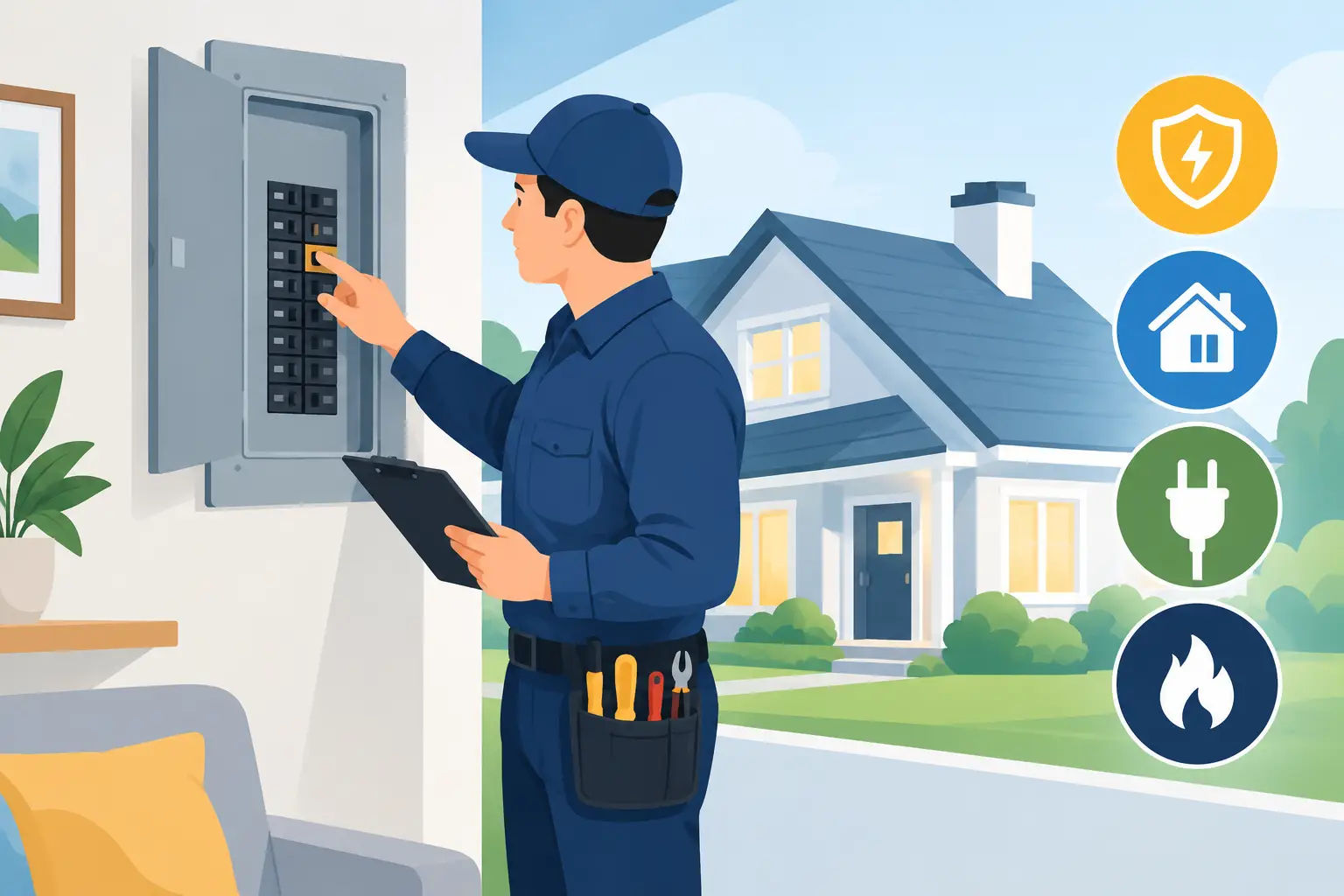
Your electrical panel should be easy to reach in an emergency. Avoid blocking it with storage, shelves, or furniture. Everyone in the household should know where the panel is located and understand which breaker controls major areas of the home.
Look for corrosion, heat, buzzing sounds, water staining, missing panel covers, or breakers that do not stay in place. Never remove the panel cover to investigate these conditions yourself. Panel work requires trained handling because energized components can remain dangerous even when individual breakers are off.
Use GFCI Protection Where Water Is Present
Water and electricity are a dangerous combination. Ground-fault circuit interrupter outlets, commonly called GFCIs, are designed to shut off power quickly when they detect a ground fault. They are commonly needed in bathrooms, kitchens, garages, laundry areas, outdoor spaces, and other locations where moisture may be present.
Test GFCI outlets periodically by using the test button, then the reset button. If an outlet will not reset, trips frequently, or has no power after resetting, stop using it until the cause is identified. Sometimes the issue is a downstream outlet or a moisture problem, not the GFCI device itself.
Outdoor outlets should have weather-resistant covers that protect them even while something is plugged in. This matters for holiday lighting, tools, patio equipment, and outdoor chargers. Avoid running cords through windows, under rugs, or across walkways where they can be damaged or create a tripping hazard.
Be Careful With DIY Projects
Homeowners can safely handle small tasks such as changing light bulbs, replacing batteries in smoke alarms, and using a properly rated surge protector. Electrical repairs are different. Replacing outlets, adding light fixtures, troubleshooting a dead circuit, or changing a breaker can expose you to shock hazards and hidden wiring issues.
Before drilling into walls or ceilings, consider what may be behind the surface. Electrical wiring can run vertically and horizontally from outlets, switches, and fixtures. A damaged wire may not cause trouble immediately, but it can create a serious hazard later.
For renovations, garage conversions, additions, or major appliance installations, permits and inspections may be required. Proper permitting protects the homeowner by confirming the work meets applicable safety requirements. It also helps avoid complications during a sale, appraisal, or insurance claim.
Plan Ahead for EV Charging and Panel Upgrades
An electric vehicle charger is not simply another appliance to plug in. Depending on the charger and your home’s available capacity, it may require a dedicated circuit, new wiring, or an electrical panel upgrade. A load calculation helps determine whether the existing service can safely support the added demand.
The same applies when adding a hot tub, central air conditioning, a workshop, or a large home addition. If your lights dim when major equipment starts, your panel is full, or your service is outdated, it is worth having the system evaluated before adding more load.
A panel upgrade can improve safety, create room for needed circuits, and support future projects. Some homeowners may also qualify for Southern California Edison incentives of up to $4,200 for eligible panel upgrade and EV charger installation work. Eligibility and program requirements can change, so the project should be reviewed carefully before work begins.
A1 Home Electric coordinates electrical work with the appropriate permits, inspections, and utility steps when a service upgrade requires the meter to be turned off. That coordination matters because panel upgrades involve more than installing a new box. The work must be planned around your home, the utility service, and local requirements.
Do Not Ignore Outdoor and Utility Hazards
Keep ladders, tools, antennas, and tree branches well away from overhead utility lines. Never attempt to trim branches near energized lines yourself. If a line is down, damaged, or resting on a fence, vehicle, or tree, stay clear and contact the utility provider or emergency services as appropriate.
After high winds or storms, inspect outdoor equipment from a safe distance. Look for damaged service equipment, exposed cables, broken outdoor fixtures, or water around electrical components. Do not touch anything that appears damaged or wet.
For portable generators, use them outdoors only, well away from doors, windows, and vents. Never connect a generator directly to household wiring without an approved transfer setup installed by a qualified electrician. Improper generator connections can energize utility lines and put your household and utility workers at risk.
Know When Fast Professional Help Is the Safe Choice
Call for trusted electrical repair when you notice frequent breaker trips, a burning smell, sparks, buzzing, shocks from appliances, flickering lights throughout the home, or water near electrical equipment. These symptoms do not always mean the same thing, but they do require a qualified diagnosis.
A licensed electrician can identify whether the concern is isolated to one device or points to a larger wiring, grounding, panel, or service issue. That distinction saves money in the long run because it addresses the actual cause rather than repeatedly treating the symptom.
For Lancaster homeowners, electrical safety is less about being alarmed by every small inconvenience and more about responding wisely when your home signals a problem. A careful inspection and quality repair today can protect your comfort, your property, and the people who live there tomorrow.